Why Targeted Strengthening Matters in 2026
Injury rates aren’t slowing down. Whether it’s weekend warriors tearing hamstrings or pros nursing shoulder tendons, the stats keep climbing. And it’s not just bad luck it’s bad preparation. Too many athletes skip the groundwork and go straight for the glory lifts. The result: nagging injuries that kill progress.
That’s where targeted strength work steps in. It’s not about lifting heavier it’s about moving better. Smart training can cut down recovery time, lower the risk of re injury, and build real world durability. Think stability over brute force, control over chaos. Focusing on muscle balance means those smaller, often ignored muscles finally get their say. When everything’s working in sync, your body holds up under pressure.
Ignore it, and you’re gambling every time you train. Respect it, and you’re playing a longer, stronger game.
Muscle Group 1: Hamstrings
The hamstrings take a beating especially in sports where speed and power rule. Runners, soccer players, sprinters, and weekend warriors launching into pickup games all share one thing in common: a high risk of straining these long, often neglected muscles. Most of the time, it’s not about weakness. It’s about imbalance, poor prep, or ignoring the way the muscle actually works.
To bulletproof your hamstrings, prioritize exercises that hit both strength and control. Nordic hamstring curls top the list they’re brutal, but they teach your hammies to resist force when it counts. Romanian and stiff leg deadlifts build length strength, loading the muscles under stretch. Single leg glute bridges add a stability challenge that connects the chain back to your hips.
The key? Eccentrics. Slowing down the lowering phase of each lift forces the muscle to absorb stress making it more resilient. Skip this, and you’re just ticking boxes without real return.
Muscle Group 2: Rotator Cuff
Overhead athletes think swimmers, pitchers, CrossFitters put their shoulders through the wringer. The rotator cuff takes the brunt, and overuse injuries pile up when movement patterns break down or volume gets too high. It doesn’t take much: repetitive stress without sufficient stability work is enough to set the stage for inflammation, impingement, or worse.
To bulletproof the area, go back to basics. Start with external rotations using bands or light dumbbells small movements, but powerful in rebuilding function. Pair that with prone Y T W raises to challenge the shoulder stabilizers from multiple angles. Turkish get ups are a full body grind but offer something priceless here: shoulder control under time and tension.
The common mistake? Loading too fast, too heavy. The goal is control, not brute force. Prioritize scapular stability how the shoulder blade moves before reaching for the 40 pound dumbbells. Good technique, consistent reps, low ego: that’s the plan.
Muscle Group 3: Calves (Soleus and Gastrocnemius)
The calves catch a lot of force whether you’re sprinting, jumping, or decelerating fast. That makes them vulnerable, especially to strains in the Achilles tendon and muscle tears around the lower leg. Runners and court athletes know the feeling: a sharp pull or tightness that shuts movement down mid stride.
To build durability here, isolating both major calf muscles is key. Bent knee calf raises target the deeper soleus, which carries load when the knee is flexed (think running uphill or jumping). Straight leg raises emphasize the gastrocnemius, a more superficial power mover. Then there’s the MVP: eccentric heel drops. These lengthen the calf under load and teach the tendon how to absorb stress.
One small tweak with big payoff add tempo. Slowing down the rep, especially the lowering phase, creates more time under tension. That’s how tendons adapt, becoming tougher and more resilient with each session.
Muscle Group 4: Hip Stabilizers (Glute Medius & Friends)

When your hip stabilizers are weak, the rest of your body pays for it. Poor glute medius function, in particular, often shows up as nagging knee pain or lower back strain not ideal whether you’re running, lifting, or just moving through daily life.
The fix isn’t flashy, but it’s effective. Monster walks build lateral strength and wake up those smaller glute groups. Side lying clams hit the deep stabilizers that don’t get touched by squats alone. And Bulgarian split squats? They do double duty load up your glutes and force full body balance.
Train these movements regularly and you’ll notice more control through your hips, smoother force transfer during lifts or sprints, and fewer mystery aches creeping in. Strong stabilizers are the foundation not the extra credit.
Support Factors That Matter
Skipping a proper warm up isn’t tough it’s careless. Dynamic activation isn’t fluff; it’s what turns stiff, sleepy tissue into something ready to absorb force and move well. Think band walks, leg swings, hip openers. Five minutes of smart prep beats five weeks on the sidelines.
Then comes recovery. The harder you train, the more dialed in your recovery needs to be. That means mobility work, quality sleep, staying hydrated, and actually fueling your body like it’s not disposable. The grind only pays off when the body has a shot to adapt and repair.
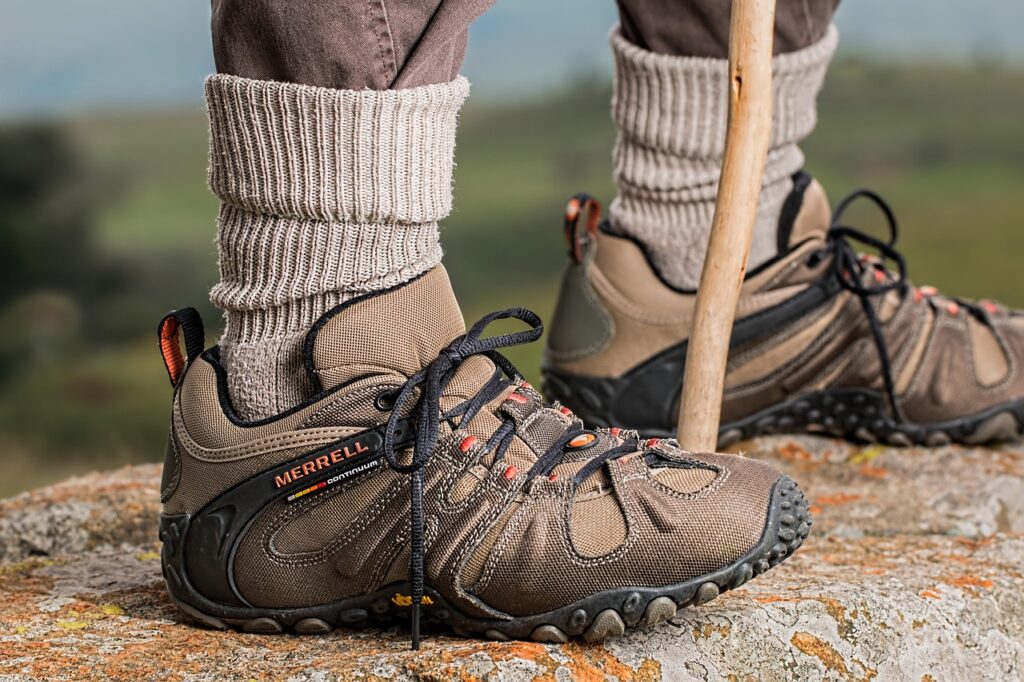
Gear counts, too. Especially what’s on your feet. Shoes that don’t match your activity (or your structure) invite problems you don’t need. For a breakdown of how the right footwear helps you train harder and stay injury free, check out The Role of Proper Footwear in Exercise Injury Prevention.
Stay Resilient
When it comes to building a body that holds up over time, brute force and burnout don’t cut it. Intelligent strength is about function, not just numbers in the gym. Choose exercises that reinforce balance, joint health, and long range control small muscles matter just as much as the big showpieces. It’s not about maxing out; it’s about durability.
Consistency wins, but obsession backfires. Training five days a week means nothing if you’re constantly limping or tweaking something. Aim for adaptable routines that respect both progress and recovery. Good programming adjusts to how your body feels not how your calendar looks.
Lastly, stop ignoring pain. There’s a difference between effort and injury. Pain is a signal, not a challenge to push through. Respect it. Address it. Prevention starts with awareness and ends with smart, honest training habits.
 Mildreda Floresantoz writes the kind of wellness momentum content that people actually send to each other. Not because it's flashy or controversial, but because it's the sort of thing where you read it and immediately think of three people who need to see it. Mildreda has a talent for identifying the questions that a lot of people have but haven't quite figured out how to articulate yet — and then answering them properly.
They covers a lot of ground: Wellness Momentum, Fitness Recovery Strategies, Injury Prevention Routines, and plenty of adjacent territory that doesn't always get treated with the same seriousness. The consistency across all of it is a certain kind of respect for the reader. Mildreda doesn't assume people are stupid, and they doesn't assume they know everything either. They writes for someone who is genuinely trying to figure something out — because that's usually who's actually reading. That assumption shapes everything from how they structures an explanation to how much background they includes before getting to the point.
Beyond the practical stuff, there's something in Mildreda's writing that reflects a real investment in the subject — not performed enthusiasm, but the kind of sustained interest that produces insight over time. They has been paying attention to wellness momentum long enough that they notices things a more casual observer would miss. That depth shows up in the work in ways that are hard to fake.
Mildreda Floresantoz writes the kind of wellness momentum content that people actually send to each other. Not because it's flashy or controversial, but because it's the sort of thing where you read it and immediately think of three people who need to see it. Mildreda has a talent for identifying the questions that a lot of people have but haven't quite figured out how to articulate yet — and then answering them properly.
They covers a lot of ground: Wellness Momentum, Fitness Recovery Strategies, Injury Prevention Routines, and plenty of adjacent territory that doesn't always get treated with the same seriousness. The consistency across all of it is a certain kind of respect for the reader. Mildreda doesn't assume people are stupid, and they doesn't assume they know everything either. They writes for someone who is genuinely trying to figure something out — because that's usually who's actually reading. That assumption shapes everything from how they structures an explanation to how much background they includes before getting to the point.
Beyond the practical stuff, there's something in Mildreda's writing that reflects a real investment in the subject — not performed enthusiasm, but the kind of sustained interest that produces insight over time. They has been paying attention to wellness momentum long enough that they notices things a more casual observer would miss. That depth shows up in the work in ways that are hard to fake.