Why Your Shoes Matter More Than You Think
Your feet are the first line of contact between your body and the ground. Every time you move run, lift, jump, even walk the way your foot lands triggers a chain reaction up the rest of your body. That reaction can either support good form or quietly set things off balance.
Slap on the wrong pair of shoes and your foundation shifts. That shift pushes everything upstream: knees, hips, spine. Subtle misalignment, repeated thousands of times, becomes chronic pain, tendon strain, or worse. One small imbalance in your base can wreck the entire system over time.
The kicker? Most people don’t realize it’s happening until pain shows up by then, their form’s been compromised for weeks or months. Your body compensates with awkward load distribution, and the stress lands where it shouldn’t. That’s how avoidable injuries sneak in.
The right shoes won’t magically turn you into a better athlete. But the wrong ones will chip away at your performance and open the door to injuries that derail real progress. Start with your feet. Everything else builds from there.
Common Injuries Linked to Improper Footwear
A surprising number of nagging injuries trace back to one culprit: bad shoes. Shin splints aren’t just a runner’s curse they’re often the result of poor shock absorption from shoes that are either too soft, too stiff, or simply worn out. Plantar fasciitis builds quietly, inflaming the bottom of your foot with every unsupported step. Then there’s knee pain easy to blame on bad form, but a lot of it starts with inaccurate foot strike mechanics, which stem from weak or unsupportive soles.
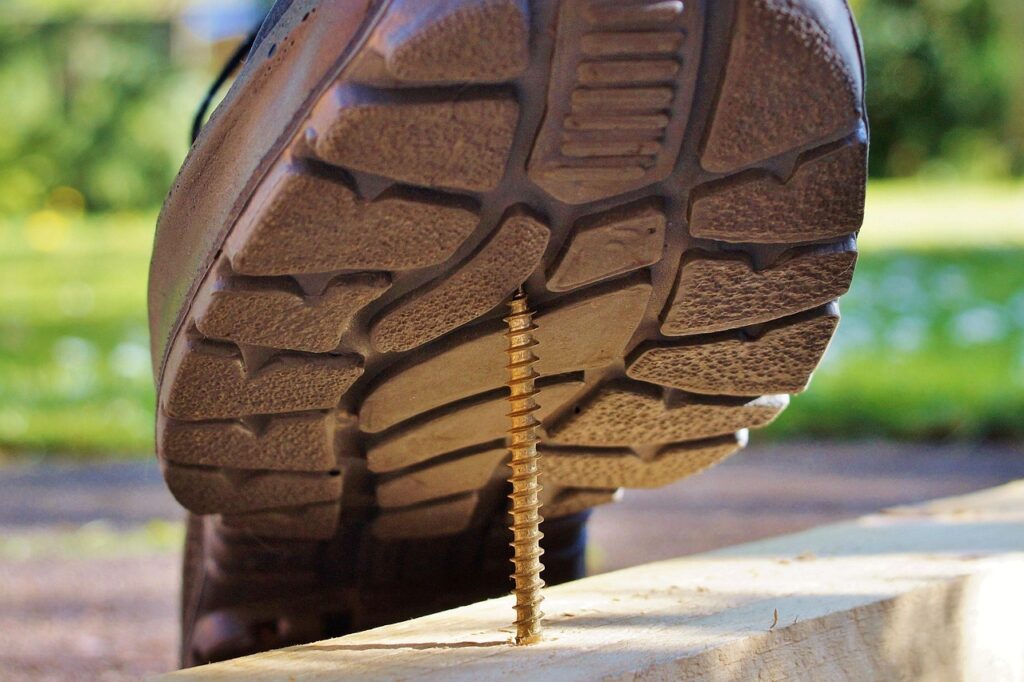
Stress fractures and ligament strain are also on the list. When soles lose traction or midsole support breaks down, your legs have to absorb what the shoe was supposed to. That repeated impact, week after week, is where fractures start. Ligament strain pops up when your foot moves in ways it’s not supposed to think side to side instability during agility drills, or depth drops without heel support.
And here’s the real red flag: the “one shoe fits all workouts” mindset. Cross training in your running shoes? Lifting in flat soled casual sneakers? That’s how you end up with joint trouble you never saw coming. Shoes should return the favor of your training: match specific soles to specific roles. Otherwise, your progress could get sidelined for a long time.
Matching Footwear to Activity
Shoes aren’t one size fits all when it comes to training. Runners need something different than lifters. HIIT workouts aren’t the same as pick up basketball. Each demands support in different ways, and wearing the wrong shoes can be a fast track to injury.
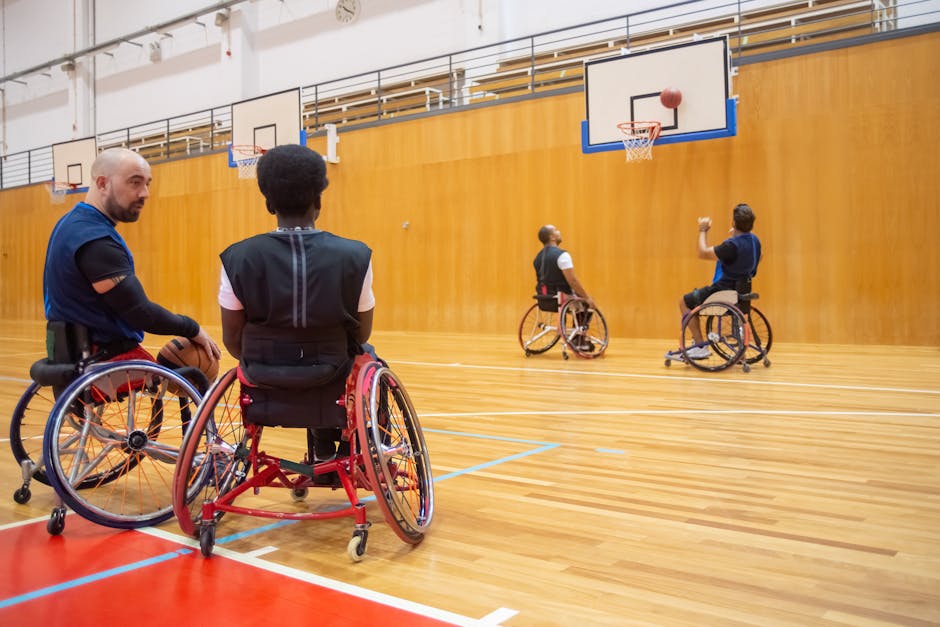
Running shoes are built for forward motion and impact absorption. Great for pounding pavement, terrible for lateral moves. Lifters? They want flat soles think stability and ground contact. Cushioning in a squat is a liability, not a perk. HIIT folks need a hybrid supportive but nimble, ready for jumps, cuts, and planks. And court sports? Lateral support is everything. That side to side action needs locked in structure to keep ankles from folding.
Then there’s the big debate: cushioning vs. stability. More cushion seems like more comfort, but too much can throw off balance and invite rolling ankles. Stability focused shoes help control motion and support proper alignment, especially for those with flat feet or overpronation. Know your form, know your needs.
And barefoot shoes? They’re not a miracle option. They build strength in your feet and force better mechanics but they’re not for everyone and not for all workouts. Skip them for heavy lifting or high speed moves unless your mechanics are dialed in. Useful tool, bad crutch.
Bottom line: pick shoes to match the work, not the outfit. Your joints will thank you.
Knowing When to Replace Your Shoes
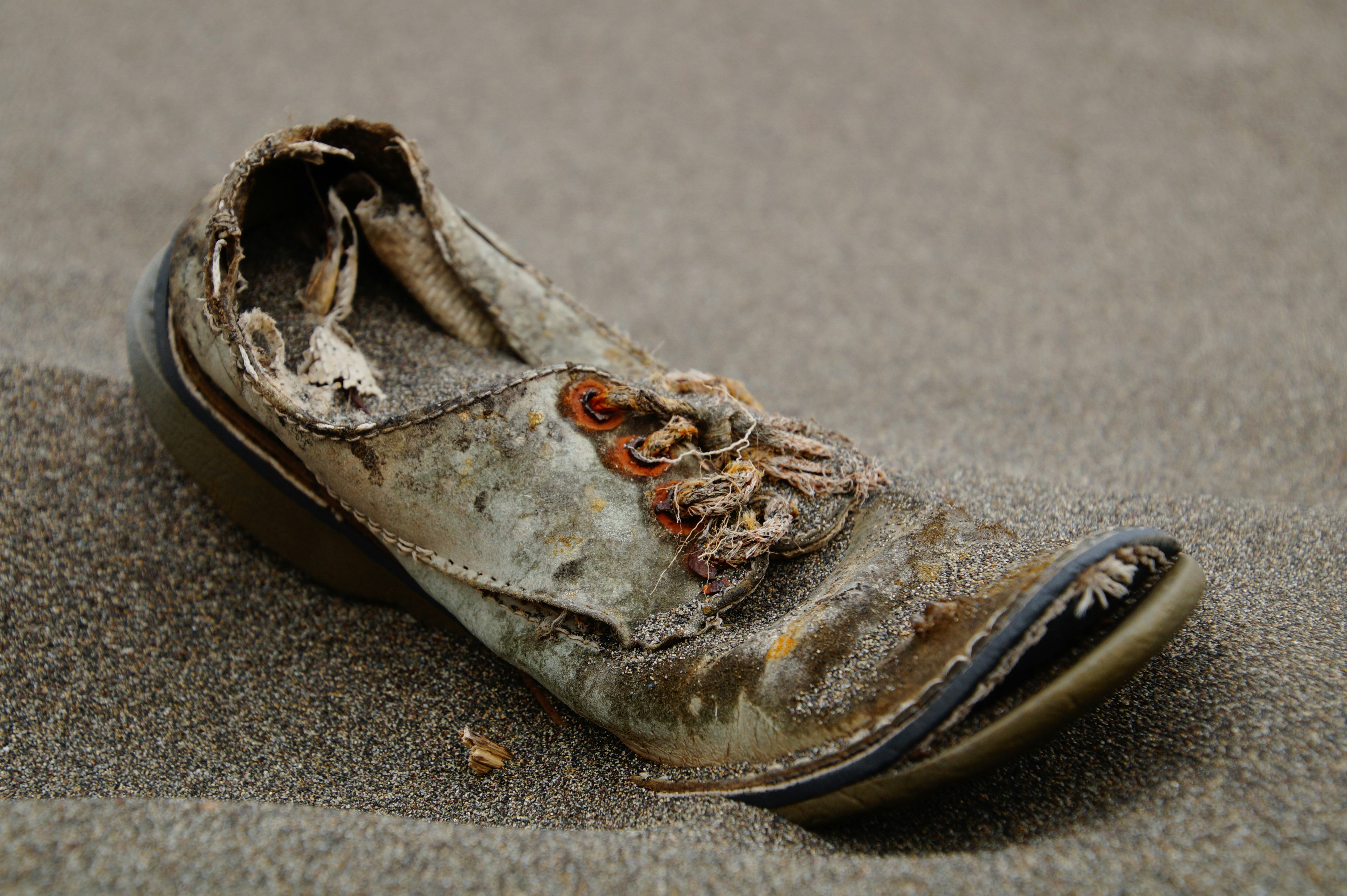
Mileage is a decent starting point, but it’s not the whole story. A shoe can start to fail long before you hit the 300 500 mile mark, depending on your build, stride, surface, and how often you rotate pairs. The early warning signs are subtle: compressed insoles that don’t bounce back, uneven wear patterns on the soles, or traction that just doesn’t grip like it used to.
If your shoe leans outward or inward when set on a flat surface, it’s probably throwing off your alignment. That’s not just annoying it can lead to imbalances and injuries.
One smart move most people skip? Rotation. Alternating between at least two pairs of shoes, ideally with slightly different support profiles, helps reduce repetitive stress. You’re giving cushion materials time to rebound, and your body isn’t locked into the same wear grooves every single run or workout. It’s low effort, high impact prevention.
Your shoes don’t need to look destroyed before you replace them. Listen to your feet. They’ll speak up long before your soles split.
Footwear and Recovery Optimization
Pounding pavement or racking reps takes a toll on your muscles, sure, but especially on your joints. That’s where recovery footwear earns its keep. Post workout, your body needs decompression. The spine, knees, ankles, and feet benefit from supportive, low impact cushioning that reduces residual pressure. Think of it like a cool down for your entire kinetic chain except it starts from the ground up.
Slide on recovery shoes usually loaded with extra arch support and responsive foam let your feet relax without going limp. Compression socks help increase blood flow, cut swelling, and speed up nutrient delivery. Orthotic inserts realign tired foot structures, so your next movement session starts fresh, not compromised.
Walking barefoot might feel “natural,” but after a heavy session, it often does more harm than good. The lack of support can stress already fatigued ligaments and soft tissue. Recovery footwear gives your post training body structure it can heal into, not collapse under.
It’s not about making a fashion statement it’s about giving your body the reset it deserves.
Footwear Isn’t Everything But It’s a Lot
Gear Is Just One Piece of the Puzzle
While proper shoes play a major role in injury prevention, they aren’t a cure all. Many injuries don’t stem from footwear alone they come from poor movement patterns, overtraining, or skipping essential steps like mobility work and recovery.
Warm ups matter: Jumping into a workout cold puts stress on your joints and muscles, regardless of what’s on your feet.
Form is foundational: No shoe can compensate for poor technique. Training safely means mastering your form in every movement.
Rest counts as training: Without adequate rest, your body breaks down faster than it builds up.
A Holistic View of Injury Prevention
True injury prevention comes from a balance of multiple factors. Think of footwear as support not protection from poor habits.
Stretch before and after workouts
Include strength and mobility training in your routine
Focus on sleep, hydration, and nutrition to support physical recovery
The Role of Active Recovery & Rest Days
Understanding when and how to rest can be just as crucial as your workout schedule. Recovery isn’t passive.
Read more: Rest Days vs. Active Recovery Finding the Balance You Need
Active recovery: Light movement like walking, gentle yoga, or mobility work the day after intense training
Scheduled rest: Built in non training days allow muscle repair and reduce the risk of chronic fatigue
Shoes are important. But the smartest, strongest athletes understand that long term health requires a bigger picture approach. Your habits, discipline, and attention to recovery matter just as much as your gear.
2026 Pro Tips to Stay Ahead
If you’re serious about injury prevention, don’t wing it get a gait analysis. Most legit running stores offer it for free. It’ll show how your body actually moves, where pressure lands, and how that should influence your shoe choice. Guesswork leads to wasted money and avoidable aches.
Next, ditch the hype. A shoe doesn’t need to match your outfit or follow a trend it needs to fit your foot and function for your goal. Flashy looks won’t help you mid sprint or during a heavy lift. Stick to what works for your anatomy and your training.
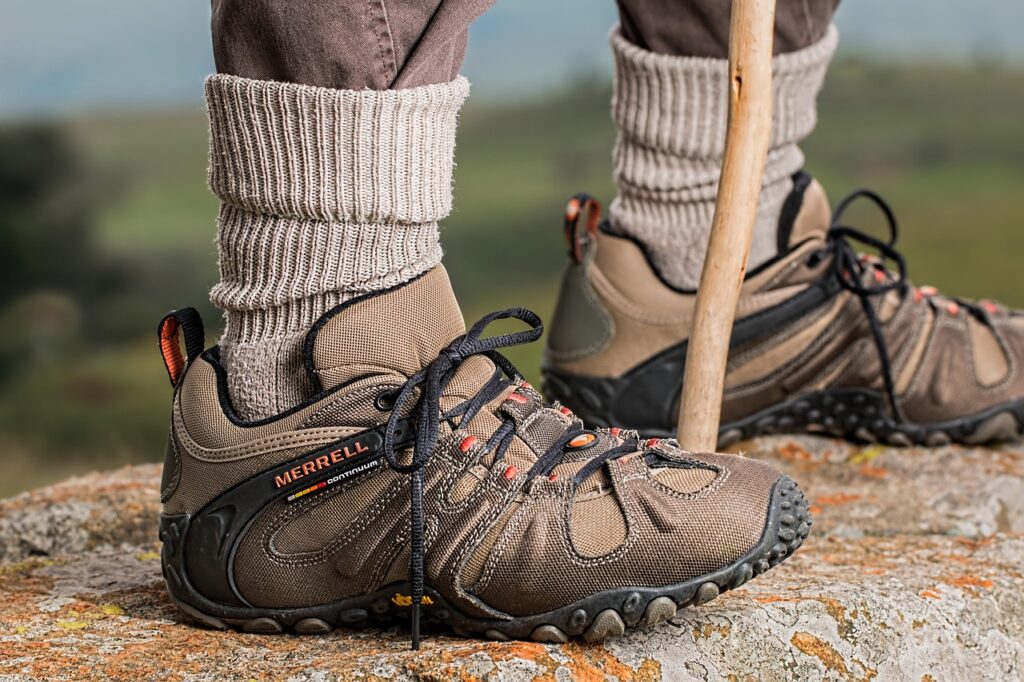
Finally, match your shoes to your surface. The pair that crushes gym circuits isn’t built for sidewalks, and trail shoes don’t belong on a treadmill. Rotating based on terrain extends the life of your gear and, more importantly, keeps your joints guessing just the right amount.
Stay smart. Good footwear won’t do the work for you but bad footwear will shut you down.