
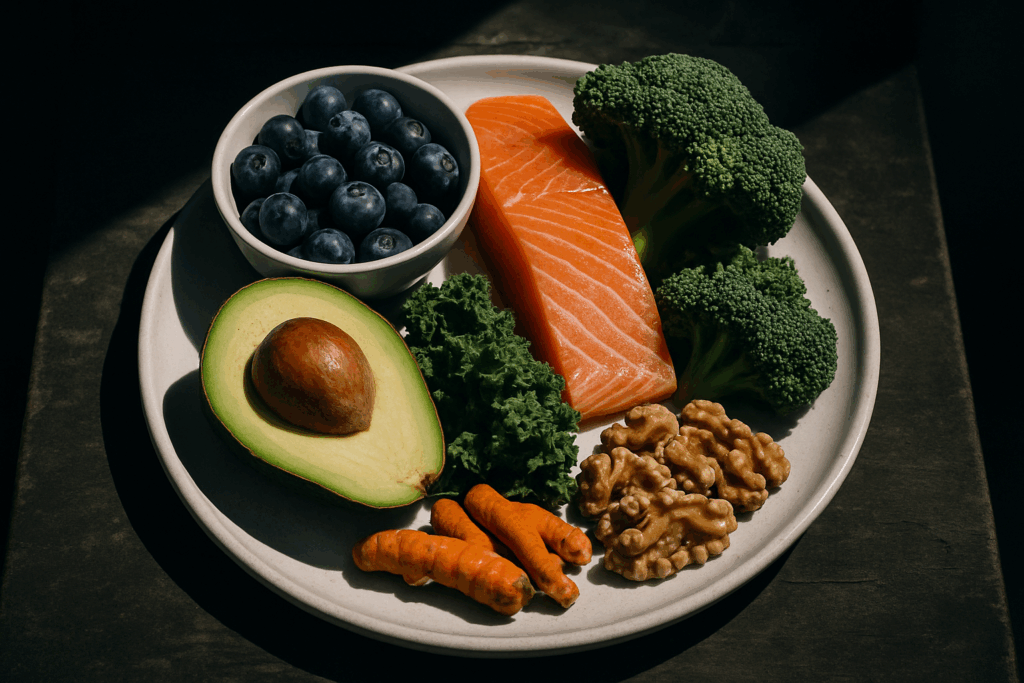
Why Inflammation Matters More Than Ever
You can’t see it and you won’t feel it until it starts chipping away at your health. Silent inflammation, the kind that simmers below the surface without dramatic symptoms, is now linked to everything from heart disease and arthritis to depression and anxiety. It messes with your immune system, clogs your arteries, and fogs up your brain, all without much fanfare.
Chronic low grade inflammation ages you the hard way: it wears out your joints, zaps your energy, and speeds up the clock on everything from skin to cognition. People feel tired, sore, and stressed, and often don’t realize inflammation is at the root. That’s the problem it sneaks in quietly but leaves a clear trail of long term damage.
By 2026, health experts, researchers, and everyday people are shifting from symptom chasing to root cause prevention. The spotlight is finally on inflammation not just treating flare ups, but figuring out how to prevent them. The new playbook goes deeper: food, movement, sleep, stress, and even hydration matter more than we thought. Now it’s about understanding how to keep the body cool, calm, and balanced from the inside out.
Functional Foods Redefining Health
More Than Just Supplements
Anti inflammatory foods have evolved beyond supplements and occasional add ons. In 2026, they are cornerstone components of everyday meals, proven to reduce chronic inflammation and support long term wellness.
These foods actively work with your body to combat the triggers behind inflammation from environmental stressors to poor sleep and diet. Choosing the right ingredients isn’t optional it’s essential.
Key Anti Inflammatory Powerhouses
Incorporating these nutrient rich options into your daily meals offers real, science backed benefits:
Fatty fish
Rich in omega 3 fatty acids (like EPA and DHA)
Helps lower inflammatory markers linked to heart disease and joint pain
Dark berries (e.g., blueberries, blackberries, acai)
High in polyphenols and anthocyanins
Fight oxidative stress and promote cellular repair
Leafy greens and cruciferous vegetables
Includes kale, spinach, arugula, broccoli, and Brussels sprouts
Loaded with vitamins, minerals, and antioxidants that boost immune response and detoxification
Spices like turmeric and ginger
Contain active compounds (curcumin and gingerol)
Have clinically proven anti inflammatory effects, especially for joint and digestive health
Fermented foods (like kimchi, sauerkraut, kefir, and yogurt)
Promote a diverse, healthy gut microbiome
Balanced gut bacteria = regulated immune responses and reduced inflammation
The Bottom Line
These foods aren’t fringe they’re foundational. Building meals around them every day isn’t just about staying healthy. It’s about actively rewriting your body’s inflammatory story in real time.
What the Latest Research is Saying (as of 2026)

The science is catching up with what many nutritionists have been preaching for years: food isn’t just fuel, it’s a messaging system for your body. Mediterranean style diets built around whole grains, lean proteins, vegetables, healthy fats, and herbs aren’t just “better for you.” Peer reviewed studies now show these diets can slash inflammatory markers by as much as 50%.
But it goes deeper. The field of nutritional epigenetics has stepped out of the theory corner. We’re talking real, measurable shifts in gene expression based on diet proof that what you eat can either flip the switch for inflammation or turn it off. It’s no longer a question of if diet matters; it’s how much control we really have with our forks.
Meanwhile, wearables and continuous glucose monitors are putting hard data behind all this. People on anti inflammatory diets show better glucose stability big deal for avoiding energy crashes, mood dips, and long term metabolic issues. It’s not just about long life. It’s about better days, every day.
Beyond Food: Synergizing with Lifestyle Habits
A truly effective anti inflammatory strategy goes beyond just what’s on your plate. To experience long term benefits, your diet must work hand in hand with key lifestyle choices. When nutrition, movement, hydration, and rest are aligned, inflammation doesn’t stand a chance.
Hydration: Amplifying Nutritional Impact
Water plays a vital role in flushing out toxins and transporting nutrients to your cells. Proper hydration enhances the effectiveness of anti inflammatory foods by supporting metabolic and cellular functions.
Drink consistently throughout the day don’t wait until you’re thirsty
Opt for mineral rich water or add a pinch of sea salt and lemon for electrolytes
Learn more here: How Hydration Supports Cellular and Organ Health
Sleep: Your Natural Reset Button
Poor or inconsistent sleep increases inflammatory markers like C reactive protein. Giving your body the rest it needs strengthens immune regulation and allows time for repair.
Aim for 7 9 hours of high quality sleep per night
Prioritize a wind down routine: no screens before bed, dim lighting, and calming activities
Consistency matters keep sleep and wake times stable, even on weekends
Stress Reduction: Calm Systems Heal
Chronic stress feeds inflammation through elevated cortisol levels. Managing stress is non negotiable for those pursuing lasting wellness.
Try deep breathing, journaling, or guided meditation
Spend time in nature or with supportive people
Take regular breaks rest is productive
Gentle Movement: Low Impact, Big Rewards
You don’t need high intensity workouts to impact inflammation. Gentle, regular movement improves circulation, regulates hormones, and supports lymphatic flow.
Walking: Even 20 30 minutes a day can lower inflammatory markers
Stretching or yoga: Enhances circulation, reduces muscle tension, and calms the nervous system
Restorative movement: Choose exercises that energize without exhausting
Integrating these foundational habits makes your anti inflammatory diet far more effective and sustainable.
Practical Tips That Work
Let’s keep it simple. First, drop the industrial seed oils. That means sidestepping canola, soybean, or corn oil and cooking with extra virgin olive oil instead. It’s not just hype olive oil is rich in anti inflammatory compounds and it’s stable under heat.
Second, cut down ultra processed stuff. If it has more numbers than ingredients, leave it on the shelf. Too much sugar and refined carbs spike inflammation and crash energy. Start reading labels not obsessively, just enough to know what you’re eating.
Want to make this sustainable? Batch prep. Roast a tray of vegetables, grill some salmon, make a big pot of quinoa or brown rice. Portion it out. That 30 minutes on a Sunday saves decision fatigue later and keeps you off the snack spiral.
Not ready to go full anti inflammatory? Cool. Just swap one meal a day. Build a bowl: leafy greens, fatty fish or plant protein, a whole grain, a punch of spices like turmeric or cumin, and a drizzle of olive oil. It’s not gourmet, but it gets the job done and it adds up.
Closing Thought
Anti inflammatory foods aren’t just a passing headline or buzzword they’re the long haul strategy. For anyone serious about healthy aging, sharper focus, and fewer sick days, these foods are becoming default staples. Not a fad, not a phase. Just the stuff that works.
The science is catching up to what traditional cultures already knew: food can heal or harm. We’re no longer just eating to feel full we’re eating to stay strong, mobile, and mentally clear well into our later decades. This “food as medicine” mentality is no longer reserved for wellness gurus it’s practical, it’s proven, and it’s showing up in everyone’s kitchen. If the 2010s were about keto and macros, the late 2020s are about reducing inflammation, period. Simple, but game changing.
Start now, age differently.