Why Your Hips Are Probably Tighter Than You Think
Tight hips creep up on you. Between long hours at a desk, bad posture, and intense workouts with too little mobility work, most people are walking around stiffer than they realize. Sitting for extended periods keeps the hip flexors in a shortened position. Do this enough and your body adapts in the wrong direction.
But it’s not just about your hips. When they lose range of motion, your lower back picks up the slack. Your knees start moving in ways they weren’t designed to. Over time, that small restriction in your hips becomes a chain reaction that drags down your mobility from top to bottom.
A few warning signs: you feel tightness or discomfort when getting up from sitting. Forward folds or pigeon pose make you wince. Your stride feels shorter than it used to, even if you’re active. These are all signals your hips need attention and the sooner you get ahead of it, the less pain you’ll have to manage later.
Daily Habits That Create (or Break) Tight Hips
Let’s start with the desk it’s ground zero for tight hips. When you sit for hours without support or awareness, your hip flexors shrink up and your glutes clock out. Small corrections make a big difference. Sit tall. Keep both feet flat. Your knees should be just below hip level. No slouching, no perching on the edge of your seat. You’re aiming for alignment, not perfection.
Then there’s the in between: movement snacks. These are micro stretching breaks you slot into your day like coffee or screen checks. Standing hip circles, seated figure four stretch, a minute of walking lunges up the hall. Doesn’t need to be fancy just consistent. The goal is to interrupt stiffness before it takes root.
And yes, even your sleep position is in on the game. Curling into a tight fetal pose every night or sleeping with one leg tossed over a pillow can keep your hips in constant rotation. If you’re dealing with tension, opt for sleeping on your back with a pillow under your knees or on your side with something between your thighs to reduce internal torque. Your sleep setup might be silently sabotaging your mobility.
Tight hips aren’t built in the gym they’re built in the office chair and in bed. Undoing them takes awareness, not acrobatics.
Key Stretches That Actually Work
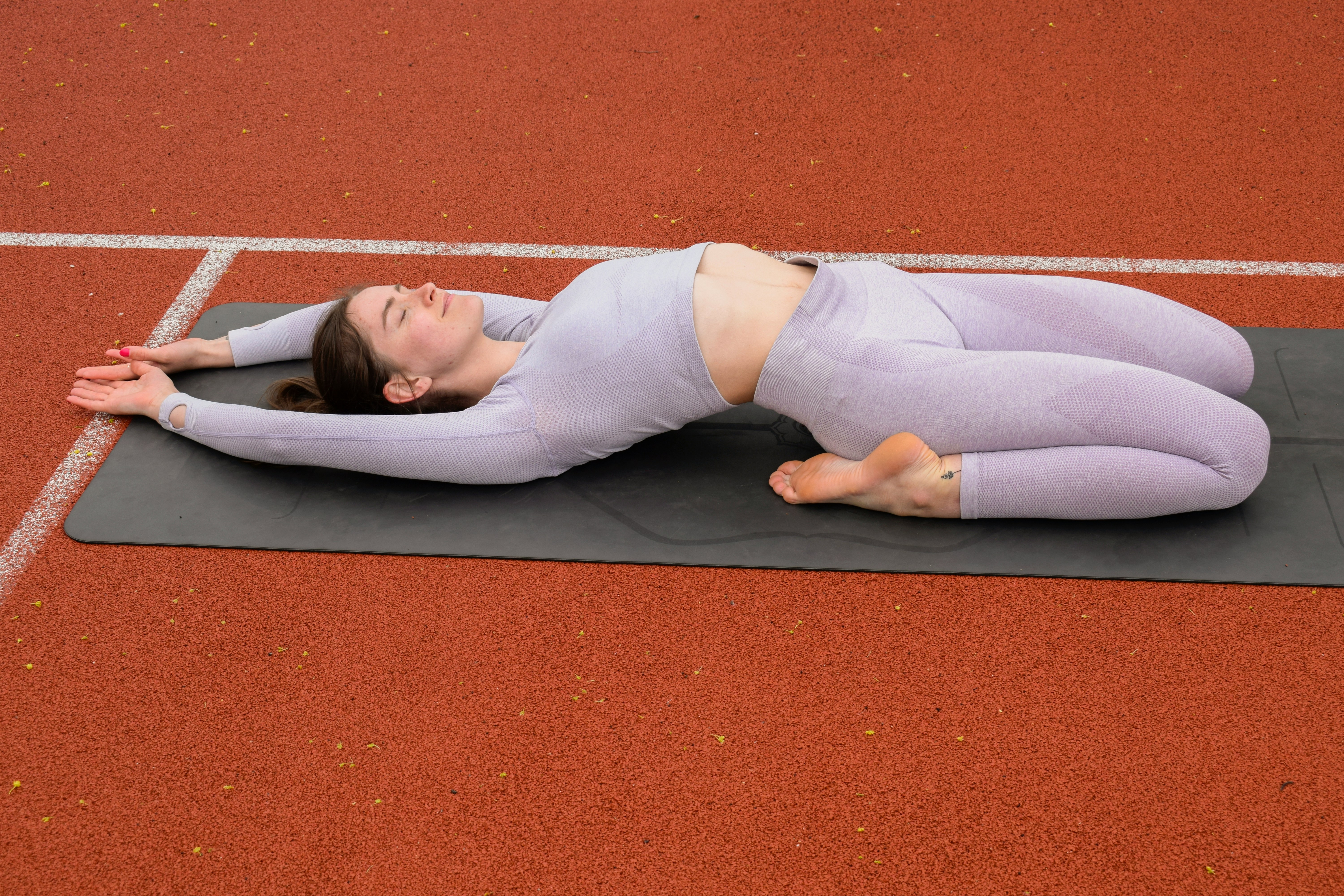
Not all stretching is created equal. Some methods prep your body for movement; others help it unwind. Dynamic stretches think leg swings, walking lunges, or hip circles are best used pre activity. They get blood flowing, activate the right muscles, and signal your nervous system that it’s go time. Static stretches like a deep seated hip flexor hold or pigeon pose should wait until after your body is warm or when winding down. That’s when you target deeper tissue and lengthen tight areas safely.
Now, let’s zone in on the hip trio: flexors, glutes, and outer hips. These are the usual suspects when your lower body feels locked up.
Targeted Stretches
Hip flexors: Kneeling hip flexor stretch (with a slight posterior pelvic tilt to increase intensity)
Glutes: Figure 4 stretch (lying on your back or sitting upright)
Outer hips: Standing or supine IT band stretch (gentle cross body leg stretch)
Sample Sequence: 5 Moves in Under 10 Minutes
- Walking lunges with rotation 1 min
- Deep world’s greatest stretch 1 min per side
- Glute bridge with 5 second holds 1 min
- Pigeon pose or figure 4 stretch 1 min per side
- Supine twist with crossover 1 min per side
This combo wakes you up, opens you up, and doesn’t waste your time. Tailor reps and hold times to your body, but keep it moving until it needs to stay still. That’s the rhythm that gets results.
Going Deeper with Yoga Inspired Mobility
Tight hips aren’t only a muscular issue they also involve the connective tissue, joints, and even your nervous system. Yoga offers a holistic approach to releasing tension while enhancing flexibility and control.
Why Yoga Works for Hip Flexibility and Joint Health
Yoga combines stretching, mindful movement, and strength building, making it particularly effective for:
Improving the range of motion in the hip joints
Encouraging balanced use of muscles surrounding the pelvis
Reducing stiffness caused by both inactivity and overtraining
Yoga also emphasizes alignment and ease, reducing the risk of overstretching a common problem in casual stretching without guidance.
Gentle Poses for Stiff Hips
Focus on poses that support the body while encouraging gradual release. These positions stretch the hips without forcing them:
Low Lunge (Anjaneyasana): Opens up the hip flexors gently
Reclined Pigeon Pose (Supta Kapotasana): Eases into the outer hips and glutes
Happy Baby (Ananda Balasana): Encourages pelvic opening while keeping the spine neutral
Wide Legged Forward Fold (Prasarita Padottanasana): Stretches the inner thighs and hamstrings
Modify as needed by using yoga blocks, bolsters, or cushions to reduce strain and maintain proper form.
Why Breathwork Matters in Stretching
Breath is a powerful tool in mobility practices. In yoga based stretching:
Inhaling helps you find length and create space in the pose
Exhaling triggers the parasympathetic nervous system this tells the body it’s safe to release tension
Controlled breathing improves body awareness and patience in deeper holds
Each breath becomes part of the stretch, allowing you to move deeper without force.
Want more full body relief? Explore our range of yoga practices designed to target chronic tension in hips, neck, and shoulders at Yoga for Pain Relief.
Mastering Consistency Without Burning Out
The key to long term hip mobility isn’t intensity it’s consistency. Start small with a five minute daily stretch. Wake up? Stretch. Post work slump? Move. Pick a time you can stick with and build from there. If daily feels like too much, aim for three times a week and lock it into your calendar like any other non negotiable appointment. This isn’t about perfection it’s about momentum.
Listening to your body is everything. Productive soreness feels like tightness easing out or a good burn that fades after a few hours. Overwork feels sharp, lingering, or throws off how you walk or sit. Know the difference. Let soreness guide your rest days, not derail the habit entirely.
Track your progress without overcomplicating it: a quick voice memo each week, a photo to track your range of motion, or simply noting how it feels to sit or squat. Qualitative wins matter less stiffness getting out of bed, deeper lunges with less strain. Motivation isn’t always loud, but momentum builds quietly.
Small, repeated steps. That’s how hip mobility becomes part of life not another failed health kick.
Final Tools for Long Term Hip Health
Foam rolling and self myofascial release aren’t just trendy they’re foundational. Think of them as the maintenance work your hips need after years of sitting, lifting, or whatever mileage your body’s been through. Rolling out the quads, IT bands, and glutes helps release stuck fascia and boost circulation. Translation: better range of motion and less day after stiffness. A lacrosse ball under the glute? Brutal but effective.
But mobility without strength is like unlocking a joint and leaving it dangling. To really support the hips, you’ve got to build durability around them. That means hitting the glute medius, deep core stabilizers, and yes, sometimes the dreaded clamshells. Strength training brings alignment. Balance. The kind of power that doesn’t just stretch holds.
Then, fuse the two flexibility and control. That’s where core and stability work round it out. Exercises like single leg bridges, bird dogs, and controlled lunges tie the whole system together. The goal isn’t just limber hips it’s strong, stable ones that work for you, everyday.
Keep your hips working for you, not against you mobility is strength. For a holistic approach to relieving tension throughout your body, explore our full guide on yoga for pain relief.