
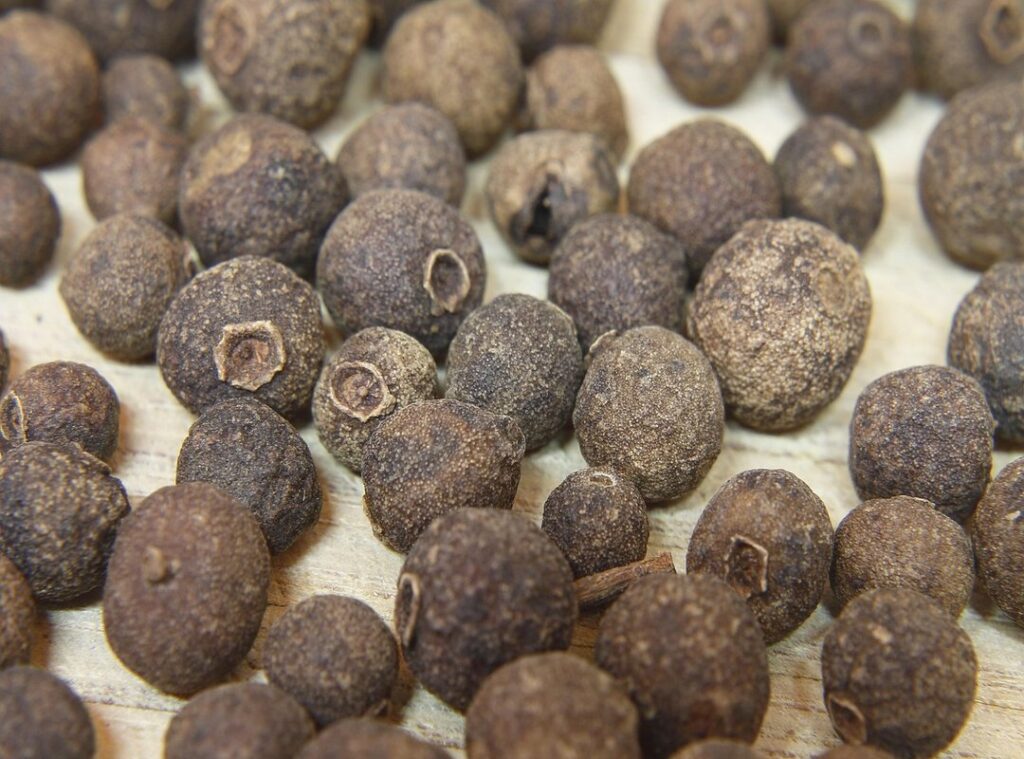
You’re at Continente, staring at the shelf of spices, and need to pick the right pimenta calabresa. It’s confusing, I get it. With options in flakes, oil, or whole, how do you know which one delivers the best flavor and heat for your dish?
This guide will break down the exact options available at Continente, compare them head-to-head, and give you clear recommendations so you can buy with confidence.
Calabrian chilies have a unique smoky, fruity heat that makes them a favorite for everything from pizza to pasta. But let’s be real, shopping in a large supermarket like Continente can be overwhelming.
I’ve been there, done that. I understand the product category inside and out. Trust me, by the end of this, you’ll know exactly what to grab.
Not All Chili is Created Equal: Key Factors to Check on the Label
When it comes to chili, you’ve got options. Dried flakes are versatile and a classic pizza topping. Preserved in oil gives an intense flavor, perfect for finishing dishes.
Paste or sauce is easy to mix into sauces and marinades.
But not all chilis are created equal. You need to know what to look for. Pure chili and high-quality oil, like olive oil, are your best bets.
Stay away from products with excessive fillers, sugar, or artificial preservatives. They can ruin the flavor and quality.
Origin matters too. While the style might be ‘Calabrian’, check if the product specifies an Italian origin. It’s more likely to have that authentic flavor, even if it’s a store brand.
Heat level is another factor. Calabrian chilies have a medium-hot profile, around 15,000-30,000 Scoville units. But the final product’s heat can vary based on how it’s prepared.
So, always check the label.
Packaging is key. Glass jars preserve flavor better than plastic. For dried flakes, make sure the container is airtight.
This keeps them fresh and potent.
By paying attention to these details, you’ll get the best out of your chili. Whether you’re using pimenta calabresa continente or any other brand, knowing what to look for makes all the difference.
Head-to-Head: Comparing Continente’s Calabrian Chili Selection
When it comes to choosing the right Calabrian chili, you want to make sure you get the best bang for your buck. Let’s dive into a comparison of three options: Continente’s own brand (Marca Continente), a popular national brand (Gallo), and a premium imported option.
Flavor Profile & Heat
- Marca Continente: This one has a balanced flavor with a bit of smokiness and a medium heat level. It’s not too overpowering, making it great for everyday use.
- Gallo: Gallo offers a more intense, fruity flavor with a higher heat level. If you like a bit of a kick, this is a solid choice.
- Premium Imported: The premium option is all about complexity. It’s got a rich, smoky flavor with a high heat level. Perfect for those who love bold flavors.
Texture & Form
- Marca Continente: The flakes are fine, and the oil is clear with a slight hint of chili pieces. It mixes well in sauces and dressings.
- Gallo: Coarser flakes and a cloudy oil with visible chili pieces. This texture adds a nice crunch to dishes.
- Premium Imported: Fine, almost powder-like flakes with a clear, infused oil. It’s smooth and easy to incorporate into any dish.
Ingredients & Quality
- Marca Continente: Uses sunflower oil and a good percentage of actual chili. No additives, which is a plus.
- Gallo: Olive oil and a high percentage of chili. A few natural preservatives, but nothing too concerning.
- Premium Imported: High-quality extra virgin olive oil and a very high percentage of chili. No additives, just pure, top-notch ingredients.
Price & Value
- Marca Continente: Affordable and offers decent value for its quality. Good for budget-conscious shoppers.
- Gallo: Slightly more expensive but justifies the price with its quality and flavor. A mid-range option.
- Premium Imported: The most expensive, but the quality and flavor are unmatched. Worth it if you’re looking for the best.
In the end, it all comes down to what you need. If you’re on a budget, Marca Continente is a solid choice. For a bit more flavor and quality, Gallo is a great option.
And if you’re willing to splurge, the premium imported pimenta calabresa continente is the way to go.
Our Top Picks: The Best ‘Pimenta Calabresa’ for Every Dish

Best Overall:
If you’re looking for the best balance of authentic flavor, quality ingredients, and value, go with Pimenta Calabresa Continente. It’s got that perfect blend of heat and smokiness, making it a versatile addition to any dish. Plus, it’s reasonably priced, so you won’t break the bank. pimenta calabresa continente
Best for Pizza and Pasta:
For pizza and pasta, you want dried flakes that add a nice kick without overpowering the cheese and tomato sauce. Calabrian Chili Flakes are your go-to. They have a great texture and just the right amount of heat.
Sprinkle them over your next aglio e olio for a simple yet delicious upgrade.
Best for Marinades and Sauces:
When it comes to marinades and sauces, a chili paste or oil-packed option is key. Oil-Packed Calabrian Chilies are fantastic. They mix smoothly into liquids and provide a deep, rich flavor base.
Drizzle the oil-packed chili over grilled chicken for an instant flavor boost.
Best Budget Option:
If you’re on a budget but still want decent quality and heat, Budget Calabrian Chili is the way to go. It’s perfect for everyday use or when you’re experimenting with new recipes. Try it in a simple marinara sauce for a quick and flavorful weeknight dinner.
Pro Tips for Cooking with Calabrian Chili
Let’s dive into some tips that will make your cooking with Calabrian chili a breeze. First things first, storage. If you’ve got oil-packed chilies, pop them in the fridge after opening.
Dried flakes? Keep them in a cool, dark place. This way, you’ll preserve their potency and get the most out of them.
Now, let’s talk flavor. Classic pairings like garlic, oregano, pork (especially sausage), and high-quality olive oil can really bring out the best in pimenta calabresa continente. These combinations are tried and true, adding depth and complexity to your dishes.
But what if the heat is too much? No worries. You can balance the spice with dairy products like ricotta or mozzarella.
A squeeze of lemon juice or a splash of vinegar can also help. Even a touch of honey can tame the fire while adding a nice sweetness.
Here’s a quick tip: To really make those dried flakes sing, toast them lightly in oil for 30 seconds before adding other ingredients. This simple step releases their aromatic compounds, making your dish even more flavorful.
- Store oil-packed chilies in the fridge after opening.
- Pair with garlic, oregano, pork, and high-quality olive oil.
- Balance the heat with dairy, acidity, or a touch of sweetness.
- Toast dried flakes in oil to release their full flavor.
By following these tips, you’ll not only enhance the flavors in your dishes but also make sure you’re using your Calabrian chilies to their full potential.
The Right Choice for Your Kitchen
Choosing the best pimenta calabresa continente depends entirely on how you plan to use it. For most people, our top recommendation for the ‘Best Overall’ pick is a safe bet.
Don’t just read about it—take action. Next time you’re in the spice aisle at Continente, grab our top-rated pick and try it on your pizza this weekend. You’ll taste the difference immediately.
 Ask David Severtacion how they got into injury prevention routines and you'll probably get a longer answer than you expected. The short version: David started doing it, got genuinely hooked, and at some point realized they had accumulated enough hard-won knowledge that it would be a waste not to share it. So they started writing.
What makes David worth reading is that they skips the obvious stuff. Nobody needs another surface-level take on Injury Prevention Routines, Fitness Recovery Strategies, Vital Health Concepts and Techniques. What readers actually want is the nuance — the part that only becomes clear after you've made a few mistakes and figured out why. That's the territory David operates in. The writing is direct, occasionally blunt, and always built around what's actually true rather than what sounds good in an article. They has little patience for filler, which means they's pieces tend to be denser with real information than the average post on the same subject.
David doesn't write to impress anyone. They writes because they has things to say that they genuinely thinks people should hear. That motivation — basic as it sounds — produces something noticeably different from content written for clicks or word count. Readers pick up on it. The comments on David's work tend to reflect that.
Ask David Severtacion how they got into injury prevention routines and you'll probably get a longer answer than you expected. The short version: David started doing it, got genuinely hooked, and at some point realized they had accumulated enough hard-won knowledge that it would be a waste not to share it. So they started writing.
What makes David worth reading is that they skips the obvious stuff. Nobody needs another surface-level take on Injury Prevention Routines, Fitness Recovery Strategies, Vital Health Concepts and Techniques. What readers actually want is the nuance — the part that only becomes clear after you've made a few mistakes and figured out why. That's the territory David operates in. The writing is direct, occasionally blunt, and always built around what's actually true rather than what sounds good in an article. They has little patience for filler, which means they's pieces tend to be denser with real information than the average post on the same subject.
David doesn't write to impress anyone. They writes because they has things to say that they genuinely thinks people should hear. That motivation — basic as it sounds — produces something noticeably different from content written for clicks or word count. Readers pick up on it. The comments on David's work tend to reflect that.