You know that 5 PM panic.
Staring into the fridge. Nothing looks right. You’re tired.
You’re hungry. You order takeout. Again.
I’ve been there. More times than I’ll admit.
This isn’t another diet plan that tells you to meal prep for six hours on Sunday or eat kale smoothies at dawn.
How to Prepare Healthy Meals Twspoondietary is about real life. Not perfection.
I built this guide from habits that actually stick. Not rules that burn out in three days.
No complicated recipes. No calorie counting apps. No guilt trips.
Just clear, practical steps that fit your schedule and your taste.
I’ve helped hundreds of people stop dreading dinner and start enjoying it.
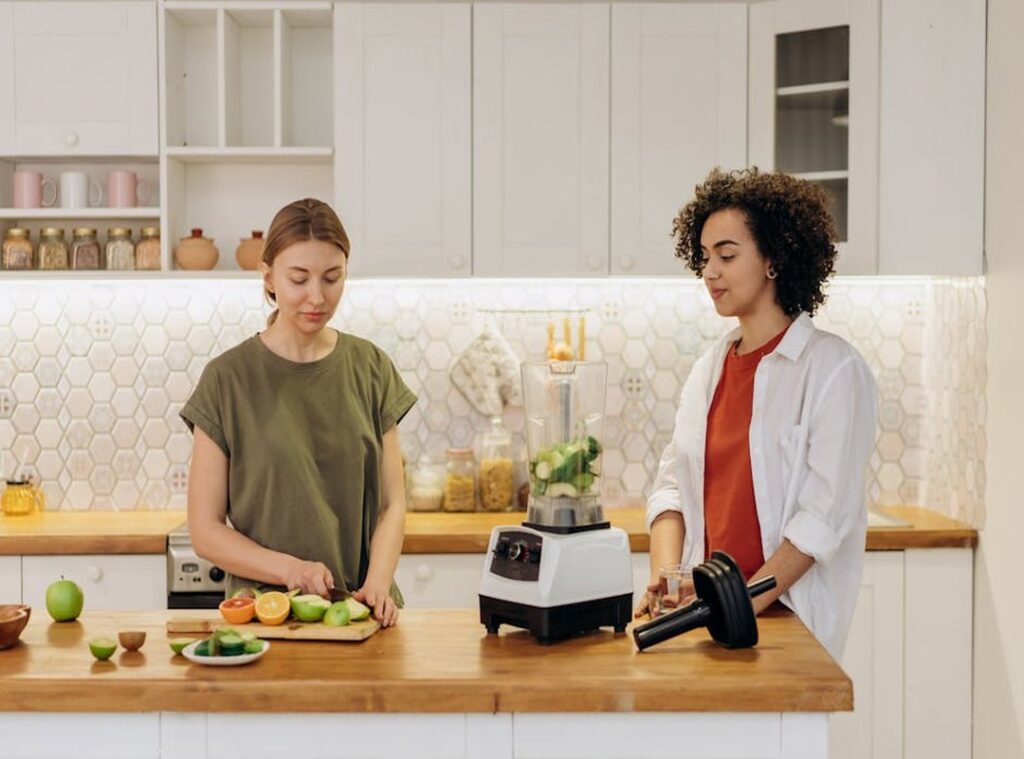
You’ll learn how to plan meals in under ten minutes. How to use what’s already in your pantry. How to make food that tastes good and fuels you.
This isn’t about willpower. It’s about working with your life (not) against it.
Step 1: Build Your Foundation (No) Calculators Needed
I started using the Balanced Plate Method because counting calories made me want to nap.
It’s just this: fill half your plate with non-starchy vegetables. Broccoli, spinach, peppers, zucchini (stuff) that crunches and doesn’t spike your blood sugar.
One-quarter goes to lean protein. Not “high-protein” or “clean protein.” Just protein. Chicken breast, salmon, lentils, tofu, Greek yogurt.
That’s it.
The last quarter? Complex carbs. Quinoa, sweet potatoes, brown rice, oats, whole-wheat pasta.
Real food (not) “carb alternatives” that taste like packing foam.
Protein builds and repairs. Carbs fuel your brain and legs. Healthy fats keep your nerves happy and your hormones in check.
Avocado, nuts, seeds, olive oil. Yes, all of those count.
You don’t need a scale. You don’t need an app. You need a plate and five minutes.
this post shows how to do this without turning meal prep into a part-time job.
I tried tracking macros for six weeks. Gave up on day 19. My energy crashed.
My mood followed.
This method stuck. Because it’s visual. Because it’s forgiving.
Because you can eyeball it at a restaurant or a potluck.
What’s the hardest part for you right now? Measuring portions? Knowing what counts as “complex”?
Or just remembering to eat vegetables before you grab the chips?
Start tonight. Grab a plate. Fill half with something green or orange or purple.
Then add protein. Then add one carb.
That’s it.
No perfection required. No guilt if you swap the quinoa for barley. No penalty for skipping the olive oil once in a while.
How to Prepare Healthy Meals Twspoondietary isn’t about rigid rules. It’s about building something you can actually live with.
Your body isn’t a spreadsheet. Treat it like a person (not) a project.
The 5-Day Meal Planning System: No Guesswork, No Guilt
I used to stare into the fridge at 6:15 p.m. every Tuesday. Empty. Hungry.
Resentful.
That ends now.
Day 1 is Audit & Assess. Open your pantry. Check your fridge.
Peek in the freezer. What’s wilting? What’s about to expire?
What did you buy last week and forget? That stuff goes first. Not later.
First. Wasting food feels dumb. And costs real money.
You’re not meal planning to be perfect. You’re doing it to stop choosing takeout because you’re tired.
Day 2: Calendar Check. Pull up your phone. Look at this week, not next month.
Which nights are packed? Which ones have back-to-back Zoom calls? Those nights get sheet pan dinners or one-pot meals.
The calm nights? Save those for something that takes 40 minutes (if) you want to.
Ask yourself: Do I actually have 30 minutes tonight (or) am I lying to myself again?
Day 3: Pick just 3 (4) dinner recipes. That’s it. No more.
Leftovers become lunch. Cold chicken on greens works. So does last night’s roasted sweet potatoes in a bowl with yogurt and herbs.
Stop trying to cook like a chef on a cooking show. You’re cooking for humans who need food. Not applause.
Day 4: Build a smart grocery list. Group items by store section (produce,) dairy, meat, pantry. Walk in.
Walk out. No circling the store twice.
I once spent 47 minutes hunting for canned beans and garlic powder. Don’t be me.
Day 5: Prep components (not) full meals. Chop onions. Cook rice.
Marinate chicken thighs. Roast a tray of veggies. This isn’t about perfection.
It’s about removing friction.
How to Prepare Healthy Meals Twspoondietary starts here (with) less decision fatigue, not more recipes.
Spend 90 minutes on Sunday. Save 30 minutes every weekday night.
Step 3: Overcome Common Roadblocks Like a Pro
I used to eat the same three meals for eleven days straight. Then I quit.
Boredom kills healthy eating faster than sugar cravings.
So I started theme nights. Not fancy ones (just) Taco Tuesday and Soup Thursday. It’s not magic.
I go into much more detail on this in Fitness nutrition guide twspoondietary.
It’s just enough variety to stop staring into the fridge like it owes you money.
You’re thinking: But who has time to cook every night?
I hear you. I worked 60-hour weeks while meal prepping.
Batch cooking saved me. Cook double portions of chili or roasted veggies. Freeze half.
Label it with masking tape and a Sharpie. Done.
Slow cooker meals? Yes. One-pan dinners?
Also yes. My favorite is baked sweet potato + black beans + salsa. Takes 12 minutes to prep.
Forty minutes in the oven. Zero cleanup.
Healthy eating is not expensive (but) shopping hungry is. I learned that the hard way. $47 for kale and almond milk because I skipped lunch? Nope.
Buy apples in fall. Tomatoes in summer. Frozen spinach costs less than fresh and lasts longer.
Beans and lentils are cheap, filling, and pack protein.
That’s where batch cooking changes everything. It’s not about perfection. It’s about showing up for yourself twice a week instead of seven.
I tried the “one new recipe a week” thing. Lasted three weeks. Then I went back to what worked.
If you want real strategies that fit your schedule and budget, this guide walks through exactly how to prepare healthy meals without burnout.
That’s fine. You don’t need novelty. You need consistency.
How to Prepare Healthy Meals Twspoondietary isn’t about willpower. It’s about working with your life (not) against it.
Cook once. Eat twice. Breathe easier.
That’s it.
Tools That Actually Stick Around
I keep three things on my counter year after year. A sharp chef’s knife. Glass food storage containers that don’t stain or smell.
And a digital food scale. Not the fancy kind, just one that reads to 1 gram.
You don’t need ten gadgets. You need the three that survive the first month without getting shoved into a drawer.
My phone’s Notes app holds my grocery list. No login. No sync fails.
Just me typing while standing in the cereal aisle.
Pinterest works for recipe ideas (but) only if you mute the ads and skip the “32-ingredient detox smoothie bowl” nonsense.
I also use a magnetic whiteboard on the fridge. The whole family sees what’s for dinner. No more “What’s for dinner?” at 5:47 p.m.
That’s how to Prepare Healthy Meals Twspoondietary. With tools that don’t quit on you.
For more grounded advice, check out Which Is the Best Fitness Tips Twspoondietary.
Take Control of Your Kitchen This Week
I’ve been there. Standing in front of the fridge at 5:45 p.m., exhausted, hungry, and blank.
You don’t need perfection. You need a system that bends instead of breaks.
The How to Prepare Healthy Meals Twspoondietary system isn’t about locking yourself into rigid rules. It’s about three dinners. Just three.
No meal prep marathons. No grocery list panic. No guilt if Tuesday gets messy.
You’re tired of scrambling. I get it.
So here’s your move: pick three dinners for this week. Write them down. Shop for just those.
Cook them.
That’s it.
You’ll feel lighter by Thursday.
Most people wait until they “have time” (but) time doesn’t show up. You make it.
Start small. Build real confidence. Not theory.
Your challenge starts now.
Plan three dinners. Do it today.
 Ask David Severtacion how they got into injury prevention routines and you'll probably get a longer answer than you expected. The short version: David started doing it, got genuinely hooked, and at some point realized they had accumulated enough hard-won knowledge that it would be a waste not to share it. So they started writing.
What makes David worth reading is that they skips the obvious stuff. Nobody needs another surface-level take on Injury Prevention Routines, Fitness Recovery Strategies, Vital Health Concepts and Techniques. What readers actually want is the nuance — the part that only becomes clear after you've made a few mistakes and figured out why. That's the territory David operates in. The writing is direct, occasionally blunt, and always built around what's actually true rather than what sounds good in an article. They has little patience for filler, which means they's pieces tend to be denser with real information than the average post on the same subject.
David doesn't write to impress anyone. They writes because they has things to say that they genuinely thinks people should hear. That motivation — basic as it sounds — produces something noticeably different from content written for clicks or word count. Readers pick up on it. The comments on David's work tend to reflect that.
Ask David Severtacion how they got into injury prevention routines and you'll probably get a longer answer than you expected. The short version: David started doing it, got genuinely hooked, and at some point realized they had accumulated enough hard-won knowledge that it would be a waste not to share it. So they started writing.
What makes David worth reading is that they skips the obvious stuff. Nobody needs another surface-level take on Injury Prevention Routines, Fitness Recovery Strategies, Vital Health Concepts and Techniques. What readers actually want is the nuance — the part that only becomes clear after you've made a few mistakes and figured out why. That's the territory David operates in. The writing is direct, occasionally blunt, and always built around what's actually true rather than what sounds good in an article. They has little patience for filler, which means they's pieces tend to be denser with real information than the average post on the same subject.
David doesn't write to impress anyone. They writes because they has things to say that they genuinely thinks people should hear. That motivation — basic as it sounds — produces something noticeably different from content written for clicks or word count. Readers pick up on it. The comments on David's work tend to reflect that.