The Real Cost of Poor Sleep
Sleep isn’t optional. It’s operational. When you cut corners on rest, you pay for it mentally, physically, and emotionally. First, there’s the brain fog: fuzzy memory, weak focus, mood swings. Lack of sleep messes with your ability to think clearly or manage stress, and it’s not subtle. Irritability, indecision, and mental sluggishness become your new baseline.
Then, the damage turns physical. Chronic sleep deprivation raises your risk for obesity, heart disease, and type 2 diabetes. Hormones like insulin and cortisol go off course, making your body more prone to store fat and inflame. Over time, poor sleep lays the groundwork for chronic illness.
Athletes and peak performers aren’t immune in fact, they’re hit harder. Recovery, both muscular and neurological, depends on consistent deep sleep. Skip that, and your body can’t bounce back. Gains shrink. Injuries spike. You wake up feeling like you’re running uphill in sand.
Bottom line: when sleep quality drops, performance and health follow. Hard and fast.
The Sleep Performance Connection
Sleep isn’t just rest it’s strategic recovery. Mentally, quality sleep clears away the static. It sharpens focus, boosts problem solving, and resets your ability to make decisions under pressure. Anyone grinding through 4 hour nights knows the haze that follows. On the flip side, well rested brains run leaner and cleaner.
Physically, the science is just as clear. Deep sleep cycles release hormones that repair muscle fibers, regulate inflammation, and refill your strength tank. Whether you’re lifting, running, climbing or just trying to not feel wrecked after a long workday sleep is the performance multiplier. Even small deficits add up: slower reaction times, higher injury risk, lower endurance.
Top performers treat sleep like training. LeBron James targets 8 10 hours a night. Roger Federer? Up to 12. CEOs like Jeff Bezos and Arianna Huffington have gone public about building businesses around rested minds. It’s not about luxury it’s about function.
If you want clarity in your work and stamina in your body, sleep isn’t optional. It’s the edge.
Sleep as the Foundation of Wellness

Strip away the trends and wellness buzzwords, and you’ll always find sleep at the core. Sleep isn’t optional it’s infrastructure. You can eat clean, move daily, meditate religiously, but if you’re skipping real rest, you’re still running on a shaky foundation.
Start with hormones. Deep sleep plays traffic cop for your endocrine system. Cortisol levels drop, growth hormone rises, and your body gets the memo to repair tissue, balance glucose, and reset mood. Miss that window, and you’re not just tired you’re metabolically off balance.
Then there’s the immune system. Quality sleep gives your body time to build defense, literally. During rest, immune cells regenerate and inflammation drops. You aren’t just shielding against burnout you’re fighting off everything from colds to long term disease.
Feel foggy and bloated after a rough night’s sleep? That’s not your imagination. Digestion, nutrient absorption, and even insulin response sync with circadian rhythms. Poor sleep throws the whole system sideways. Metabolic health isn’t just about food it’s about sleep timing and quality, too.
Bottom line: if wellness is the house, sleep is the foundation. No supplements, hacks, or hacks on hacks can replace what happens during deep, uninterrupted rest. Everything works better when sleep works first.
(Explore more about routine building in How to Create and Maintain a Daily Wellness Routine That Works)
Practical Ways to Improve Sleep Quality in 2026
Getting better sleep doesn’t require a total lifestyle overhaul just intentional steps that align with your body’s natural rhythms. In 2026, more tools and strategies than ever can help, but sustainable improvement still rests on mindful choices.
Use Wearables Wisely
Modern wearables and apps offer detailed sleep tracking features, but data without context can overwhelm more than it helps. The key is to use these tools as guides, not rulers.
Track trends, not just individual nights
Focus on how you feel during the day, not just sleep scores
Use insights to adjust bedtime, wind down routines, and sleep duration
Tip: Look for wearables with accurate sleep stage tracking and heart rate variability (HRV) insights to evaluate recovery more holistically.
Build a Wind Down Ritual that Sticks
Evening routines signal your brain and body that it’s time to slow down. The more consistent and personalized your pre sleep ritual, the more effective it becomes.
Choose a consistent bedtime yes, even on weekends
Replace screen time with reading, journaling, or gentle stretching
Try calming techniques like warm herbal tea, breathwork, or a short meditation
Reminder: Simple routines beat elaborate ones. The goal is to ease mental load, not add more to it.
Optimize Your Sleep Environment
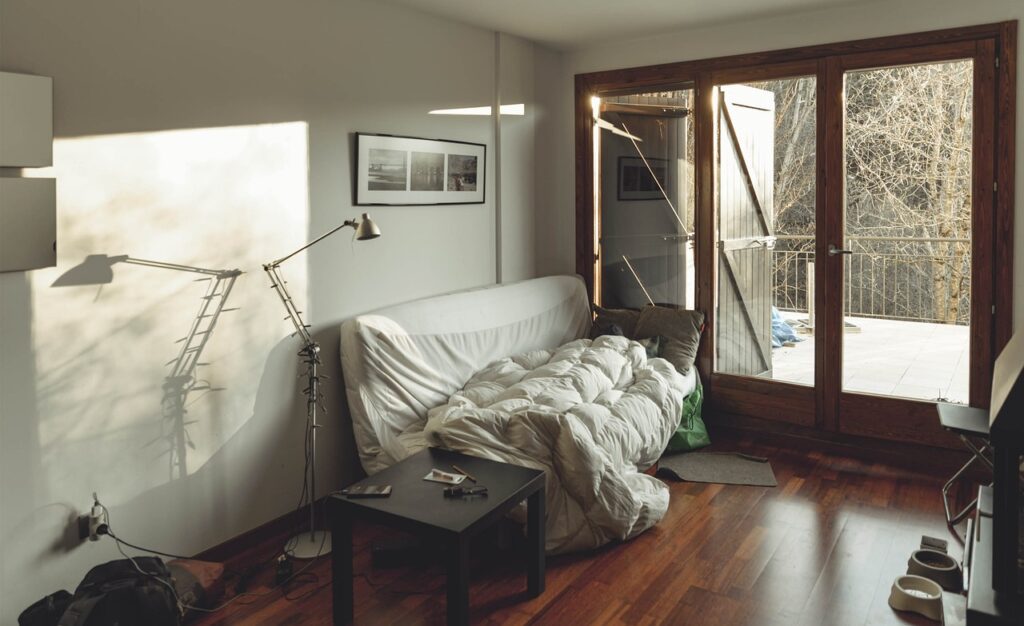
Your bedroom should be a sleep sanctuary. Small environmental tweaks often make a big difference in sleep depth and continuity.
Temperature: Keep your room between 60 67°F (15 19°C) for optimal sleep quality
Light: Use blackout curtains or a sleep mask to block external light
Noise: Use a white noise machine or earplugs if your environment is naturally loud
Creating a restful sleep setting doesn’t require expensive tech just thoughtful setup. The more your environment supports rest, the easier it is to fall asleep and stay asleep.
By blending smart tools with calming habits and a supportive environment, you’ll lay the groundwork for consistent, high quality sleep in 2026 and beyond.
Final Insights
Here’s the bottom line: one night of proper, high quality sleep beats seven nights of mediocre rest every time. That singular stretch of uninterrupted, deep sleep does more for your mood, focus, and recovery than you think. It’s not just about clocking hours it’s about what your body and brain get to do during that time.
Sleep isn’t passive. It’s active recovery. Hormones regulate, cells repair, the brain clears waste. Skip quality sleep long enough, and no smoothie or workout in the world will keep you balanced.
Sleep belongs in the same category as nutrition and movement. You wouldn’t grind on junk food and expect to thrive, so don’t do that with rest. If you want real results from your body, mind, or creative hustle prioritize sleep like it’s your foundation. Because it is.