
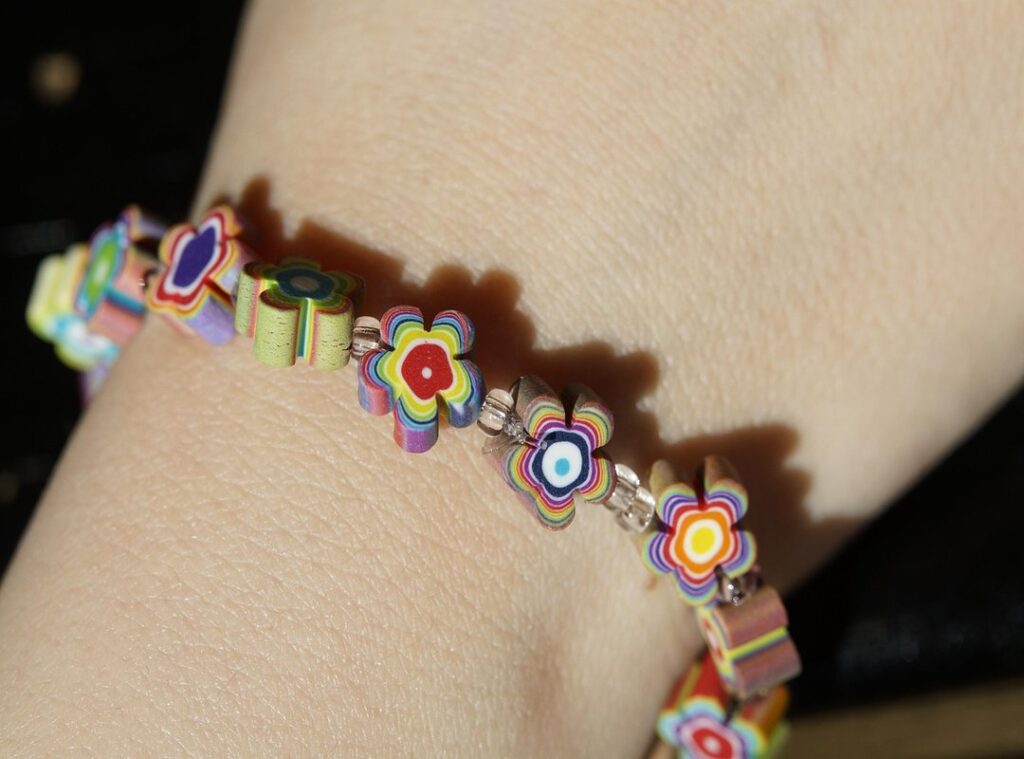
Creating miniature, colorful animal figures from scratch is a joy like no other. It’s amazing how a simple block of clay can turn into a charming creature. Fimo clay is the perfect medium for this.
Whether you’re a beginner or an experienced crafter, Fimo clay makes it easy to create detailed animal models.
This article will show you fimo klei voorbeelden dieren and give you the foundational knowledge to start making your own. Imagine turning a plain block of clay into a fox, penguin, or turtle. It’s incredibly satisfying.
This guide breaks down complex ideas into simple, actionable steps. You’ll learn how to bring your favorite animals to life with Fimo clay. Let’s dive in.
What Makes Fimo Clay Perfect for Miniature Animals?
I remember the first time I tried sculpting miniature animals. It was a disaster. The air-dry clay I used cracked and crumbled, leaving me with a mess.
That’s when I discovered Fimo clay.
Fimo clay is a brand of polymer clay that stays soft until you bake it in a standard home oven. This makes it perfect for detailed work.
It holds fine details like fur texture and facial expressions. Plus, it comes in a vast array of blendable colors. After baking, it becomes hard and durable.
Compared to air-dry clay, Fimo’s oven-bake nature prevents cracking and provides a more professional, permanent finish. No more crumbling creations!
To get started, you only need a few basic tools. A few basic colors of Fimo clay—white, black, brown, red—a small craft knife or clay slicer, and a smooth work surface like a ceramic tile. Oh, and access to an oven, of course.
You don’t need expensive equipment to start, and this makes it a very approachable hobby.
One of my favorite projects was making fimo klei voorbeelden dieren. The detail and durability were impressive. It’s amazing what you can create with just a bit of patience and the right materials.
Your First Project: 3 Simple Animals for Beginners
This is the perfect starting point. We’ll focus on projects built from basic shapes like balls, coils, and teardrops. These simple forms are the building blocks of more complex designs.
Example 1: The Simple Snake
Roll a long, tapered coil of green clay. Add two tiny white balls for eyes with even smaller black dots for pupils. Gently curve the body to give it a natural, slithering look.
Example 2: The Cute Ladybug
Create a red semi-sphere for the body. Add a smaller black ball for the head. Press on tiny, flattened black circles for the spots.
This little ladybug is both cute and easy to make.
Example 3: The Easy Penguin
Form a black teardrop shape for the body. Press a smaller white teardrop onto the front for the belly. Add a tiny orange cone for the beak and two flat orange ovals for feet.
- Simple Snake: Long, tapered green coil, tiny white and black balls for eyes.
- Cute Ladybug: Red semi-sphere, small black ball for the head, flattened black circles for spots.
- Easy Penguin: Black teardrop body, white teardrop belly, orange cone beak, and flat orange ovals for feet.
Mastering these simple shapes is the key to creating more complex animals later on. In fact, many experienced artists (fimo klei voorbeelden dieren) started with these exact projects. They learned that by getting the basics right, they could build up to more intricate and detailed sculptures.
Level Up: Inspiring Intermediate Animal Designs
Transition from basic shapes to combining techniques for more realistic and characterful animals. It’s all about adding those little details that make your creations come alive. fimo klei voorbeelden dieren
Inspiration 1: The Sly Fox. Create a pointed snout, triangular ears, and a bushy tail by scoring the clay with a needle tool. Blend orange, white, and black clay for realistic coloring.
Inspiration 2: The Wise Owl, and focus on techniques for texture. Use a tool to create a feather pattern on the wings and chest.
Build large, expressive eyes with layered circles of color.
Inspiration 3: The Detailed Sea Turtle. Press a pattern into the clay before baking to create a textured shell. Sculpt and attach separate flippers and a head.
Look at photos of real animals to capture unique details and poses. This will help you add that extra touch of realism to your designs.
Fimo klei voorbeelden dieren can be a great starting point for inspiration. They show how different techniques can be used to create lifelike and detailed animal sculptures.
Remember, practice makes perfect. Don’t be afraid to experiment and try new things. You’ll be amazed at what you can create with a bit of patience and creativity.
Tips for a Clean and Professional Finish
So, you’re into crafting with clay, and great! But let’s be real, it can get messy.
Here’s how to keep your fimo klei voorbeelden dieren looking sharp.
First things first, keep your workspace clean. A tidy surface means less dirt and dust on your creations. Wipe your hands between colors too.
Baby wipes or rubbing alcohol work wonders.
Proper baking is key. Follow the package instructions for temperature and time. Under-baking makes the clay brittle, while over-baking can burn it.
It’s a delicate balance.
Fingerprints can ruin a smooth finish. Use a bit of cornstarch on your fingers, or gently wipe the piece with rubbing alcohol on a cotton swab before baking. This will give you a smoother, more professional look.
Adding a glaze is optional but highly recommended. A polymer clay glaze after baking protects your piece and gives it a glossy, finished look. It’s that extra touch that can really make your work stand out.
Start Sculpting Your Own Clay Menagerie
Creating charming Fimo clay animals is an achievable and highly rewarding craft for anyone. The journey begins with understanding the properties of fimo klei voorbeelden dieren and mastering basic shapes. As you progress, you can tackle more detailed projects.
The key is to start simple, practice the techniques, and not be afraid to experiment with different animal designs. Now that you’ve seen the examples and learned the basics, which animal will you bring to life first?
 Mildreda Floresantoz writes the kind of wellness momentum content that people actually send to each other. Not because it's flashy or controversial, but because it's the sort of thing where you read it and immediately think of three people who need to see it. Mildreda has a talent for identifying the questions that a lot of people have but haven't quite figured out how to articulate yet — and then answering them properly.
They covers a lot of ground: Wellness Momentum, Fitness Recovery Strategies, Injury Prevention Routines, and plenty of adjacent territory that doesn't always get treated with the same seriousness. The consistency across all of it is a certain kind of respect for the reader. Mildreda doesn't assume people are stupid, and they doesn't assume they know everything either. They writes for someone who is genuinely trying to figure something out — because that's usually who's actually reading. That assumption shapes everything from how they structures an explanation to how much background they includes before getting to the point.
Beyond the practical stuff, there's something in Mildreda's writing that reflects a real investment in the subject — not performed enthusiasm, but the kind of sustained interest that produces insight over time. They has been paying attention to wellness momentum long enough that they notices things a more casual observer would miss. That depth shows up in the work in ways that are hard to fake.
Mildreda Floresantoz writes the kind of wellness momentum content that people actually send to each other. Not because it's flashy or controversial, but because it's the sort of thing where you read it and immediately think of three people who need to see it. Mildreda has a talent for identifying the questions that a lot of people have but haven't quite figured out how to articulate yet — and then answering them properly.
They covers a lot of ground: Wellness Momentum, Fitness Recovery Strategies, Injury Prevention Routines, and plenty of adjacent territory that doesn't always get treated with the same seriousness. The consistency across all of it is a certain kind of respect for the reader. Mildreda doesn't assume people are stupid, and they doesn't assume they know everything either. They writes for someone who is genuinely trying to figure something out — because that's usually who's actually reading. That assumption shapes everything from how they structures an explanation to how much background they includes before getting to the point.
Beyond the practical stuff, there's something in Mildreda's writing that reflects a real investment in the subject — not performed enthusiasm, but the kind of sustained interest that produces insight over time. They has been paying attention to wellness momentum long enough that they notices things a more casual observer would miss. That depth shows up in the work in ways that are hard to fake.