I know what it’s like to deal with pain that won’t quit.
Pavatalgia hits different. It limits how you move, messes with your daily routine, and wears you down over time.
You’re probably wondering if you can actually manage this or if you’re stuck dealing with it forever. The answer matters because you need to get back to living without constant discomfort.
Here’s what I’ve learned: pavatalgia symptoms can be managed when you take the right approach. Not through one magic fix but through a plan that actually addresses what’s happening in your body.
This guide gives you that plan. I’ll walk you through what works for relief, how to build routines that stick, and what you need to know about preventing this from coming back.
Everything here is based on proven wellness principles, fitness recovery methods, and targeted pain management techniques. It’s a holistic approach because that’s what actually gets results.
You came here looking for hope and a practical way forward. That’s exactly what you’ll get.
We’ll cover how to understand your symptoms, what steps to take right now, and how to build lasting relief into your routine.
No fluff. Just what works.
What is Pavatalgia? Understanding the Root of Your Symptoms
Let me break this down for you.
Pavatalgia is pain in the soft tissues around your joints and muscles. Think of it as that nagging ache that shows up when you move a certain way or hold a position too long.
It’s not always sharp. Sometimes it’s dull and persistent. Other times it feels like a tight band wrapped around the area.
The pain usually hits the connective tissues. The stuff that holds your muscles and joints together.
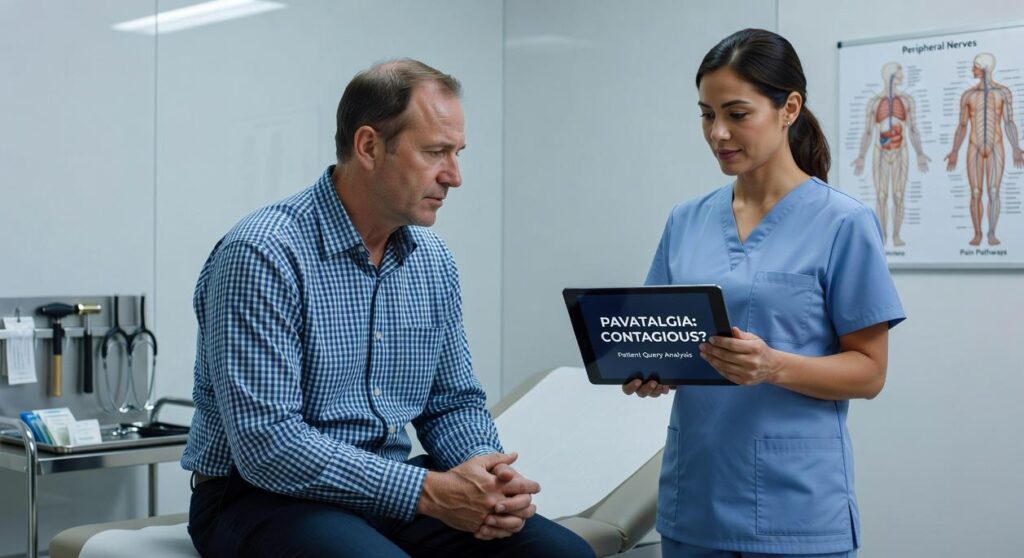
Can i catch pavatalgia? No. It’s not contagious. It develops from how you use your body, not from someone else.
Most people get it from muscle imbalances. When one muscle group gets stronger than its opposing group, things start pulling in ways they shouldn’t. I see this all the time with people who sit at desks for eight hours straight.
Overuse is another big one. You decide to run five miles when you haven’t run in months (we’ve all been there). Your body wasn’t ready for that load.
Poor biomechanics matter too. If your walking gait is off or you’re lifting with bad form, you’re setting yourself up for problems. Your body compensates in weird ways.
Here’s what makes it worse.
Skipping warm-ups before exercise. Going from zero to intense without preparing your tissues. Or sitting in the same position for hours without moving.
Even standing too long in one spot can trigger symptoms. Your muscles fatigue and stop supporting your joints properly.
The key is figuring out what sets yours off. Pay attention to when the pain shows up.
The Four Pillars of Effective Pavatalgia Management
Look, I’m going to be straight with you.
Most people treat pain management like a guessing game. They try random stretches they saw on Instagram or rest for weeks hoping the problem disappears.
It doesn’t work that way.
I’ve built pavatalgia around a simple idea. Managing pain isn’t about one magic fix. It’s about getting four things right at the same time.
Some experts will tell you that rest is all you need. Just stop moving and let your body heal. But here’s what happens when you follow that advice. Your muscles get weaker. Your range of motion shrinks. And when you finally start moving again, you’re right back where you started.
Others say you should push through the pain and keep training. That’s equally terrible advice.
The truth sits somewhere in between. You need a system that addresses the real problem from multiple angles.
Here’s what actually works.
Pillar 1: Targeted Movement & Strengthening
Can i catch pavatalgia? No. But you can definitely make it worse by avoiding movement entirely.
Your goal isn’t to stop moving. It’s to move smarter.
I recommend starting with exercises that strengthen the muscles around your painful area without aggravating it. Think of it like building a support system. When surrounding muscles get stronger, they take pressure off the spot that hurts.
Start with bodyweight movements. Control the range of motion. If something hurts, scale it back.
Pillar 2: Strategic Flexibility & Mobility
Tight muscles pull on everything around them.
That’s why I want you focusing on gentle stretching. Not the aggressive kind where you force yourself into positions. The kind that releases tension gradually and gets blood flowing to areas that need it.
Hold stretches for 30 seconds minimum. Breathe through them. Do this daily, not just when you remember.
Better mobility means better movement patterns. Better movement patterns mean less pain over time.
Pillar 3: Smart Recovery & Anti-Inflammatory Habits
Recovery isn’t passive. You have to plan for it.
Here’s what I recommend:
| Recovery Method | When to Use | Why It Works |
|—————-|————-|————–|
| Ice | First 48 hours after flare-up | Reduces swelling |
| Heat | Chronic tightness | Increases blood flow |
| Sleep | Every night, 7-9 hours | Tissue repair happens here |
Your body does most of its healing while you sleep. Cut that short and you’re sabotaging everything else you’re doing right.
I also tell people to look at what they’re eating. Foods high in omega-3s and antioxidants support your body’s natural healing process. You don’t need a perfect diet, but you should be aware of what helps and what doesn’t.
Pillar 4: Proactive Injury Prevention
This is where most people drop the ball.
They feel better and go right back to the habits that caused the problem in the first place.
I want you thinking long term. Check your posture throughout the day (especially if you sit for work). Get shoes that actually support your feet. Modify activities that consistently trigger pain.
Prevention isn’t sexy. But it’s what separates people who manage their pain once from people who never deal with it again.
You don’t need all four pillars perfect on day one. But you do need all four in play. Miss one and the whole thing falls apart.
That’s the system. Now you just have to use it.
Your Action Plan: Targeted Pain-Relief Workouts & Stretches
I’m going to walk you through the exact movements that help most people find relief.
But first, let me be clear about something.
Some trainers will tell you to push through pain. That discomfort means you’re making progress. That’s garbage advice when you’re dealing with nerve-related issues.
If a stretch or exercise causes sharp pain, you stop. Period.
Now here’s what actually works.
Essential Gentle Stretches
Supine Hamstring Stretch
Lie on your back and loop a towel around one foot. Keep that leg straight and gently pull it toward your chest. This releases tension in your hamstrings without putting pressure on your lower back.
Hold for 30 seconds. The key is keeping your opposite leg flat on the ground.
Piriformis Stretch
This one matters because your piriformis muscle sits right near the sciatic nerve. When it gets tight, it can create the exact symptoms people worry about when they search how to get pavatalgia disease.
Lie on your back. Cross one ankle over the opposite knee. Pull that bottom thigh toward your chest until you feel a stretch in your hip. No bouncing. Just steady pressure for 30 seconds.
Calf and Soleus Stretch
Stand facing a wall. Step one foot back and keep it straight. Bend your front knee and lean forward. You should feel this in your back calf.
Then bend that back knee slightly. This shifts the stretch lower and helps correct the biomechanical chain that often contributes to nerve pain.
Foundational Strengthening Exercises
Glute Bridges
Lie on your back with knees bent and feet flat. Squeeze your glutes and lift your hips until your body forms a straight line from shoulders to knees.
Hold for two seconds at the top. Lower slowly.
This activates your posterior chain and takes pressure off areas that might be compensating.
Clamshells
Lie on your side with knees bent. Keep your feet together and lift your top knee while keeping your hips stacked. This targets your hip abductors and builds pelvic stability.
Most people do these too fast. Slow down. Control matters more than reps.
Pro tip: Start with 10 reps of each exercise. If you can do that pain-free for a week, add five more reps.
Remember what I said earlier. Pain-free movement only. If something feels wrong, it probably is.
Lifestyle Adjustments for Sustained Wellness and Momentum
You can’t outwork bad habits.
I learned this the hard way. You can do every stretch and exercise perfectly, but if you’re sitting wrong for eight hours a day or wearing shoes that mess with your gait, you’re fighting an uphill battle.
The question I hear most is: can i catch pavatalgia? Not exactly. But your daily choices can absolutely make things worse or better.
Let me show you what actually matters.
Ergonomics for Daily Life
Your desk setup is probably working against you right now.
When you sit, your feet should be flat on the floor. Your screen at eye level. Your keyboard close enough that you’re not reaching forward all day.
Driving is trickier. Most car seats push you into a slouch. I use a small lumbar support (just a rolled towel works fine) and adjust my seat so my knees are slightly lower than my hips.
Sleeping position matters too. Side sleepers need a pillow between their knees. Back sleepers should put one under their knees. It keeps your spine neutral instead of twisted all night.
The Footwear Problem
Here’s where most people go wrong.
They think comfortable shoes and supportive shoes are the same thing. They’re not.
Those flat canvas sneakers you love? They’re probably changing how you walk without you noticing. Same with worn-out running shoes or dress shoes with zero arch support.
Look for shoes with a firm heel counter (the back part shouldn’t collapse when you squeeze it). You want some arch support but not so much that it feels like you’re standing on a rock. And the sole should bend at the ball of your foot, not in the middle.
Some people say barefoot shoes are the answer. Others swear by maximum cushioning. The truth? It depends on your foot structure and what you’re doing. There’s no one-size-fits-all here.
Activity Modification Without Sacrificing Fitness
This is where I see the most resistance.
Runners don’t want to hear that they should try swimming. Crossfit people don’t want to scale back on box jumps. I get it. You love what you love.
But here’s the comparison that matters: high-impact versus low-impact cardio.
Running on pavement sends force through your entire body with every step. Swimming gives you the same cardiovascular benefit with almost zero impact. Cycling falls somewhere in between.
You’re not giving up fitness. You’re choosing a different path to the same destination.
I still lift weights. I just swapped barbell squats for goblet squats and added more single-leg work. Same strength gains, less strain on problem areas.
Hydration and Nutrition’s Role
Your tissues need water to stay flexible.
When you’re dehydrated, everything gets stiffer. Fascia doesn’t glide as well. Muscles don’t recover as fast. It’s that simple.
I aim for half my body weight in ounces each day. If you weigh 160 pounds, that’s 80 ounces of water.
Nutrition is trickier because everyone wants a magic food that fixes everything. There isn’t one.
But omega-3 fatty acids (from fish or quality supplements) can help manage inflammation. So can foods high in antioxidants like berries and leafy greens. Protein matters for tissue repair, especially after workouts.
Some people cut out all inflammatory foods and feel better. Others see no difference. You’ll need to experiment.
The point isn’t perfection. It’s about understanding how to diagnose pavatalgia disease and then making small adjustments that add up over time.
You don’t need to overhaul your entire life tomorrow. Just pick one thing from this list and start there.
Yes, You Can Effectively Manage Pavatalgia
I get asked this all the time: can i catch pavatalgia?
The answer is yes. With a consistent and strategic approach, managing your symptoms is entirely possible.
I know living with this pain is challenging. Some days it feels like it will never end.
But it doesn’t have to be a permanent state.
The combination of targeted exercises, smart recovery, and preventative lifestyle habits creates a system that works. It’s not magic. It’s about building long-term relief and resilience one day at a time.
Here’s what I want you to do: Pick just one stretch or lifestyle adjustment from this guide. Start today.
Small steps build wellness momentum. You don’t need to overhaul your entire life right now.
You came here looking for answers about managing pavatalgia. Now you have a clear path forward.
The pain might feel overwhelming, but you have the tools to take control. Your body can heal and adapt when you give it what it needs.
Start with one thing. Build from there. That’s how real change happens. Homepage.