Social media is often a highlight reel, but there’s a growing space for expressing more complex emotions like sadness.
The perfil usuario triste or ‘sad user profile’ is a curated online identity that embraces melancholy and introspection.
This article will explore what these profiles consist of, the psychology behind why people create them, and how to craft one authentically.
I promise you’ll get a clear understanding and practical examples. Let’s move beyond judgment to a place of curiosity and empathy.
The Anatomy of a Melancholy Profile: Key Elements
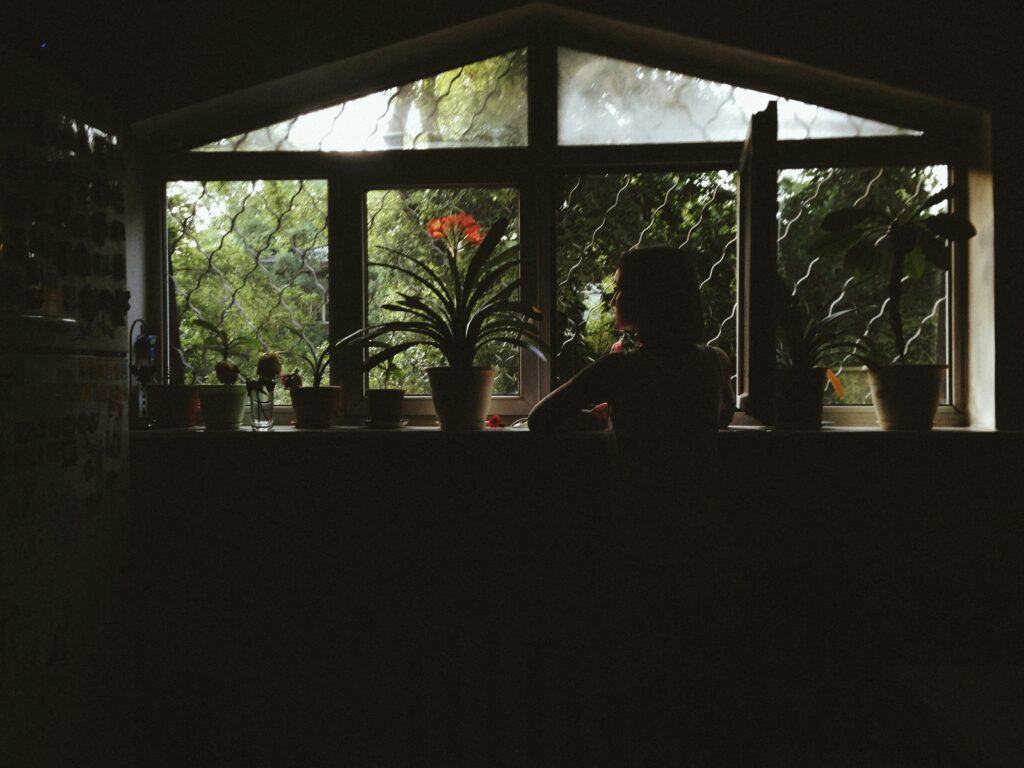
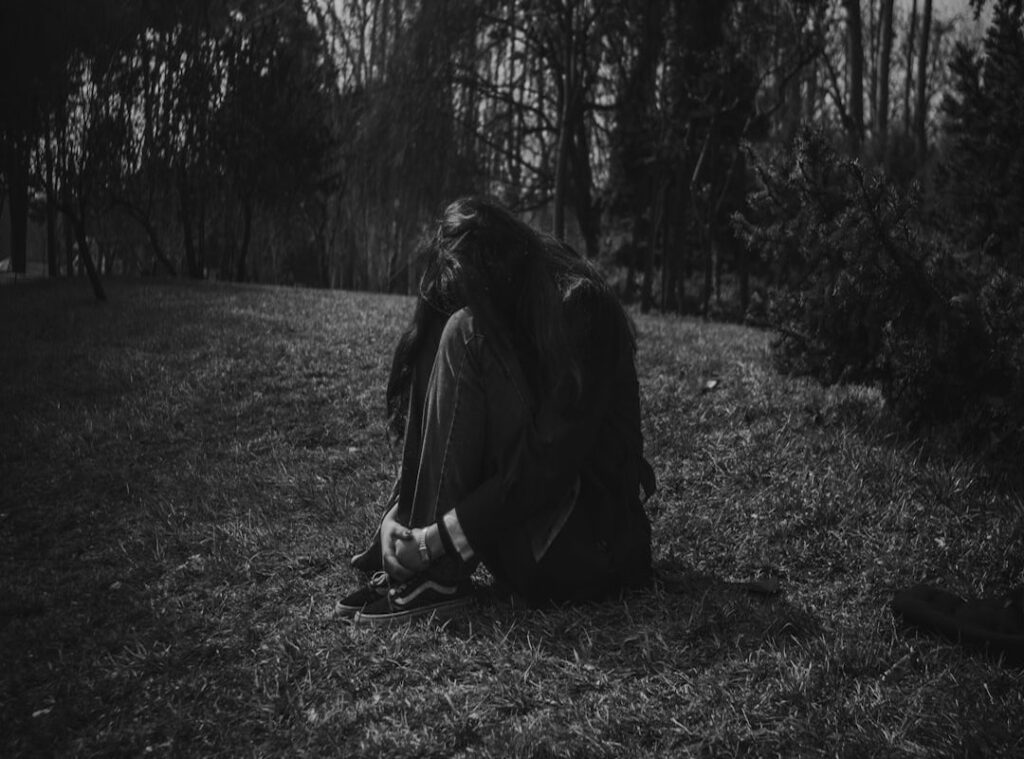
Let’s start with the profile picture. You often see black and white photos, maybe an obscured face or a rainy landscape. Sometimes it’s an anime character lost in thought, or just some abstract, dark imagery.
It sets the tone right away.
The bio is where things get really interesting. People use cryptic phrases, melancholic song lyrics from artists like Lana Del Rey or The Smiths, or poignant literary quotes. Simple statements like “just existing” are common too.
It feels like a whispered secret, something you have to lean in to understand.
Usernames are another key element. They often use lowercase letters only, with words like ‘ghost,’ ‘blue,’ ’empty,’ or ‘lost.’ Periods and underscores create a fragmented feel, like lost.in.thought. It’s like a visual sigh, a pause in the middle of a sentence.
Now, let’s talk about the content feed. Desaturated colors and grainy photos are a must. Cityscapes at night, poetry snippets, and screenshots from somber films fill the space.
It’s like walking through a quiet, dimly lit city, feeling the chill in the air and the weight of the world on your shoulders.
When you put all these elements together, you get a perfil usuario triste that speaks volumes without saying much. It’s a visual and emotional journey, one that invites you to linger and feel the depth of the melancholy.
Why We Share Sadness Online: The Psychology Explained

I was talking to a friend the other day, and she said, “Sometimes, it feels like the only way to be heard is to put it all out there.” That’s when I realized, a sad profile can act as a signal to others who feel the same way.
It creates a sense of community.
Reduces feelings of isolation.
One person told me, “When I see someone else sharing their struggles, it makes me feel less alone.”
Think about it. A perfil usuario triste isn’t just a collection of sad posts. It’s a form of digital art or a public journal.
People use it to process their feelings through a curated aesthetic.
Another friend shared, “It’s like my profile is a canvas, and my emotions are the paint.”
These profiles can also help destigmatize sadness.
They open up conversations about mental health in a non-direct way.
Someone once said, “If I can make one person feel seen, then it’s worth it.”
But there’s a fine line. Pavatalgia
Healthy expression can sometimes turn into romanticizing sadness.
Or creating an echo chamber of negativity.
We need to be mindful of that.
In the end, it’s about finding a balance.
Sharing your feelings without letting them define you.
Crafting Your Narrative: Ideas and Examples
Creating a perfil usuario triste can be a deeply personal and creative process. Here are some ideas to get you started.
A collection of sad songs and forgotten memories.
Somewhere between tired and wired.
And in the end, we were all just stories.
Lost in the echoes of yesterday.
Whispers of the past, fading into the night.
Silent moments, heavy with unspoken words.
Shadows that linger, even in the light.
For your profile picture, consider these imagery concepts:
A close-up of a hand holding a single flower.
A blurry photo of streetlights in the rain.
A silhouette against a sunset.
An old, worn-out book on a windowsill.
A lone figure walking down an empty street at dusk.
A vintage camera with a broken lens.
A cup of coffee, half-drunk, on a rainy day.
When it comes to usernames, try these formulas:
[adjective]_[noun] (e.g., fading_echo)
[time_of_day].[feeling] (e.g., midnight.thoughts)
[season]_[emotion] (e.g., autumn_silence)
[weather]_[mood] (e.g., rainy_reflections)
[color]_[memory] (e.g., blue_nostalgia)
For the content, here are some types to share:
Black and white photography.
Verses from poets like Sylvia Plath.
Playlists with a melancholic theme.
Short, introspective diary entries.
Quotes from classic literature.
Abstract art that captures a sense of longing.
Videos of quiet, reflective moments.
Finding Authenticity in Your Digital Expression
A perfil usuario triste is a multifaceted tool for connection, artistic expression, and emotional processing. There is no right or wrong way to express oneself online. Vulnerability can be a source of strength and community.
Mindfulness is key. Ensure your online persona serves your well-being rather than hinders it. Embrace all facets of the human experience, both the light and the dark.
 Mildreda Floresantoz writes the kind of wellness momentum content that people actually send to each other. Not because it's flashy or controversial, but because it's the sort of thing where you read it and immediately think of three people who need to see it. Mildreda has a talent for identifying the questions that a lot of people have but haven't quite figured out how to articulate yet — and then answering them properly.
They covers a lot of ground: Wellness Momentum, Fitness Recovery Strategies, Injury Prevention Routines, and plenty of adjacent territory that doesn't always get treated with the same seriousness. The consistency across all of it is a certain kind of respect for the reader. Mildreda doesn't assume people are stupid, and they doesn't assume they know everything either. They writes for someone who is genuinely trying to figure something out — because that's usually who's actually reading. That assumption shapes everything from how they structures an explanation to how much background they includes before getting to the point.
Beyond the practical stuff, there's something in Mildreda's writing that reflects a real investment in the subject — not performed enthusiasm, but the kind of sustained interest that produces insight over time. They has been paying attention to wellness momentum long enough that they notices things a more casual observer would miss. That depth shows up in the work in ways that are hard to fake.
Mildreda Floresantoz writes the kind of wellness momentum content that people actually send to each other. Not because it's flashy or controversial, but because it's the sort of thing where you read it and immediately think of three people who need to see it. Mildreda has a talent for identifying the questions that a lot of people have but haven't quite figured out how to articulate yet — and then answering them properly.
They covers a lot of ground: Wellness Momentum, Fitness Recovery Strategies, Injury Prevention Routines, and plenty of adjacent territory that doesn't always get treated with the same seriousness. The consistency across all of it is a certain kind of respect for the reader. Mildreda doesn't assume people are stupid, and they doesn't assume they know everything either. They writes for someone who is genuinely trying to figure something out — because that's usually who's actually reading. That assumption shapes everything from how they structures an explanation to how much background they includes before getting to the point.
Beyond the practical stuff, there's something in Mildreda's writing that reflects a real investment in the subject — not performed enthusiasm, but the kind of sustained interest that produces insight over time. They has been paying attention to wellness momentum long enough that they notices things a more casual observer would miss. That depth shows up in the work in ways that are hard to fake.