
Why Core Strength Matters for Lower Back Pain
A weak core doesn’t just mean you can’t hold a plank for long it disrupts everything. Your core is the system of deep muscles that stabilize your spine and pelvis. When it’s undertrained or inactive, your lower back picks up the slack. That imbalance leads straight to pain, fatigue, and posture that folds in on itself.
Think of your spine like a flagpole. If the guy wires that is, your core muscles aren’t doing their job, the whole thing leans, wobbles, and strains. Proper engagement of deep support muscles like the transverse abdominis and multifidus keeps the spine aligned, absorbs shock, and lets you move without stress stacking in your lower back.
And here’s the kicker: most ab workouts don’t help. Crunches and bicycle kicks hit the surface muscles and miss the target completely. Worse, they can over compress the spine and make pain worse if your foundation isn’t strong.
Training for real core strength means going inward. Slow, controlled, foundational movements designed to activate not just burn are what build the scaffolding your back needs. That’s how you build a core that actually supports you, not just one that looks good in a mirror.
Core Principles of Safe Strengthening
When it comes to easing chronic lower back pain, not all core work is created equal. The flashy six pack muscles your rectus abdominis might look good in the mirror, but they aren’t the ones keeping your spine stable. The real heroes are the deep stabilizers: the transverse abdominis, multifidus, pelvic floor, and diaphragm. These are the muscles you want to recruit first if reducing pain is the goal.
Forget high rep circuits or explosive moves. This is not about going hard it’s about going smart. Controlled, low impact movements allow you to build deep strength without aggravating your symptoms. That means slowing down and getting intentional. Good form beats fast reps every time.
Think of activation as the new ambition. Your goal during each session is to connect with the right muscles, not just to burn out. One perfectly performed glute bridge or bird dog is worth more than 20 mindless crunches. In short: train with precision, not punishment.
Top Core Exercises Backed by Experts

Focusing on safe, science backed movements is essential for strengthening your core without aggravating lower back pain. Below are five simple yet powerful exercises that target your deep stabilizing muscles, improve posture, and reduce strain.
Pelvic Tilts
This gentle, foundational move activates the lower abdominal muscles and promotes spinal awareness.
How to do it:
Lie on your back with knees bent and feet flat on the floor
Inhale to prepare, then exhale as you gently tilt your pelvis so your lower back presses into the ground
Hold for 2 3 seconds, then release
Why it helps:
Engages core without spinal flexion
Relieves tension in the lower back
Dead Bugs
A controlled movement that improves coordination while keeping the spine in a neutral, safe position.
How to do it:
Lie on your back with arms extended toward the ceiling and legs in a tabletop position
Slowly extend one arm and the opposite leg toward the floor while keeping your back flat
Return to center and repeat on the other side
Why it helps:
Trains core control and stability
Strengthens deep abdominal muscles
Bird Dog
This full body core move enhances balance and promotes a neutral spine alignment.
How to do it:
Start on all fours, hands under shoulders and knees under hips
Extend your right arm and left leg simultaneously while keeping pelvis stable
Hold briefly, then return to start and switch sides
Why it helps:
Builds back and ab coordination
Supports posture and spinal alignment
Glute Bridges
Strengthens the posterior chain (glutes and lower back), which supports pelvic alignment and core function.
How to do it:
Lie on your back with knees bent and feet hip width apart
Press through your heels to lift your hips until your body forms a straight line from shoulders to knees
Lower with control
Why it helps:
Activates glutes and hamstrings
Reduces pressure on the lower spine
Modified Planks
An excellent way to build core endurance with minimal strain on the lower back.
How to do it:
Start on forearms and knees, keeping a straight line from head to tailbone
Engage your core and hold the position without dipping the hips
Begin with 20 30 seconds and gradually increase
Why it helps:
Improves core stamina
Safer than traditional planks for flare up phases
For visual guidance and step by step routines, explore this core workout for pain made specifically for lower back relief.
What to Avoid During Flare Ups
Not all core exercises are safe when your lower back is flaring up. Some of the classics like crunches and sit ups do more harm than good. They focus too much on spinal flexion, which puts pressure on already sensitive discs and can irritate the lower back even more.
High impact movements are another red flag. That means burpees, box jumps, and fast paced twisting exercises should be off the table when pain is active. They load the spine quickly and unpredictably, which is exactly what you don’t want during a flare up.
Then there’s form. Or rather, the lack of it. When your core isn’t firing properly, other muscles start doing the job usually poorly. Overcompensation from the hips, shoulders, or neck can create a domino effect of strain throughout the body. Bad form isn’t just inefficient it can actually make your back pain worse in the long run.
Sometimes less is more. Being smart about what to skip gives your body a chance to strengthen without adding fuel to the fire.
Building a Sustainable Routine
Forget the heroic hour long workouts. When it comes to managing chronic lower back pain, less really is more. Start with 10 minutes a day, three to four times a week. The goal is consistency, not exhaustion. It’s about showing up often enough that your core gets stronger without setting off pain.
Pair your core work with mobility drills and simple stretches. Tight hips and stiff lower backs don’t play well with strength training, so you need both flexibility and control. Think cat cow, hamstring flows, or even a few minutes of gentle yoga. These keep your range of motion open and your muscles cooperative.
Most importantly listen to your body. If something hurts, stop. If something feels weak, lean into it slowly. Progress won’t be flashy, but it will be real. Sharp jumps usually mean backsliding. Keep it steady, keep it clean, and let strength build layer by layer.
More Help When You Need It
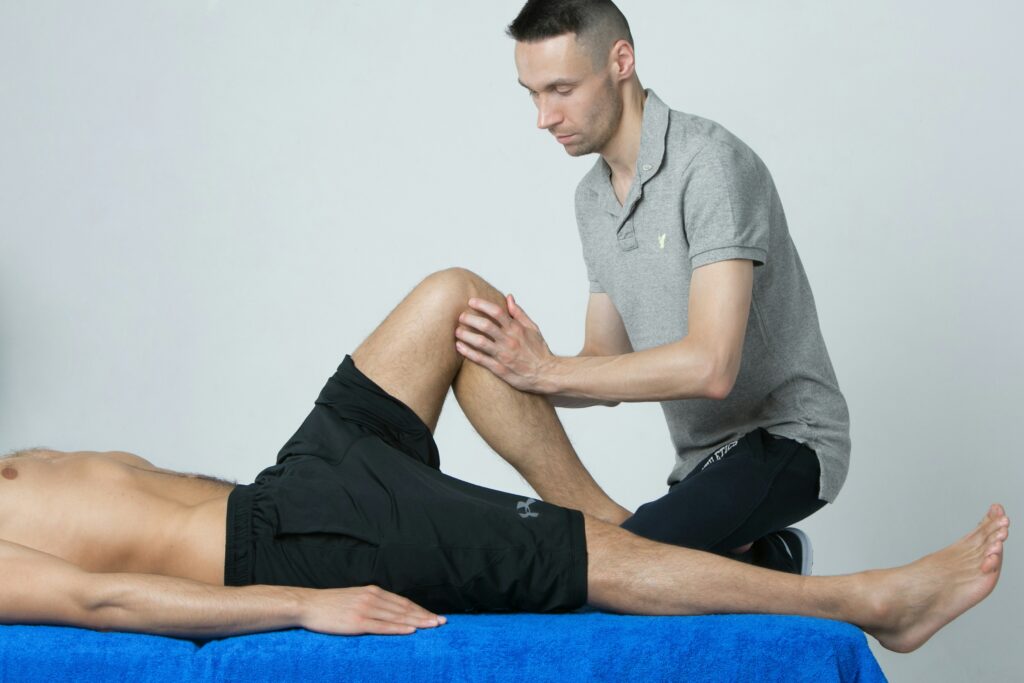
Sometimes, core work alone isn’t enough. If your pain isn’t letting up or if certain movements keep making things worse it’s worth booking a session with a physiotherapist or certified movement specialist. These pros can spot what you can’t: muscular imbalances, compensation patterns, postural habits that feed the problem.
It’s also easy to fall into the trap of doing too much, too fast. Real progress comes from showing up consistently, not pushing through flare ups. Pace yourself. Keep the intensity low and the attention high. That’s how you build a core that supports not sabotages you.
For a reliable at home companion, try this structured core workout for pain. It’s slow, safe, and purpose built for people dealing with chronic lower back pain.
Bottom line: don’t go it alone if you don’t have to. Guidance, patience, and a smart routine can go a long way.
 Malric Orrendale has opinions about targeted pain-relief workouts. Informed ones, backed by real experience — but opinions nonetheless, and they doesn't try to disguise them as neutral observation. They thinks a lot of what gets written about Targeted Pain-Relief Workouts, Wellness Momentum, Fitness Recovery Strategies is either too cautious to be useful or too confident to be credible, and they's work tends to sit deliberately in the space between those two failure modes.
Reading Malric's pieces, you get the sense of someone who has thought about this stuff seriously and arrived at actual conclusions — not just collected a range of perspectives and declined to pick one. That can be uncomfortable when they lands on something you disagree with. It's also why the writing is worth engaging with. Malric isn't interested in telling people what they want to hear. They is interested in telling them what they actually thinks, with enough reasoning behind it that you can push back if you want to. That kind of intellectual honesty is rarer than it should be.
What Malric is best at is the moment when a familiar topic reveals something unexpected — when the conventional wisdom turns out to be slightly off, or when a small shift in framing changes everything. They finds those moments consistently, which is why they's work tends to generate real discussion rather than just passive agreement.
Malric Orrendale has opinions about targeted pain-relief workouts. Informed ones, backed by real experience — but opinions nonetheless, and they doesn't try to disguise them as neutral observation. They thinks a lot of what gets written about Targeted Pain-Relief Workouts, Wellness Momentum, Fitness Recovery Strategies is either too cautious to be useful or too confident to be credible, and they's work tends to sit deliberately in the space between those two failure modes.
Reading Malric's pieces, you get the sense of someone who has thought about this stuff seriously and arrived at actual conclusions — not just collected a range of perspectives and declined to pick one. That can be uncomfortable when they lands on something you disagree with. It's also why the writing is worth engaging with. Malric isn't interested in telling people what they want to hear. They is interested in telling them what they actually thinks, with enough reasoning behind it that you can push back if you want to. That kind of intellectual honesty is rarer than it should be.
What Malric is best at is the moment when a familiar topic reveals something unexpected — when the conventional wisdom turns out to be slightly off, or when a small shift in framing changes everything. They finds those moments consistently, which is why they's work tends to generate real discussion rather than just passive agreement.