
The Why Behind Post Workout Nutrition
Training breaks you down. That’s not a metaphor it’s literal. Each rep, each sprint, each minute under the bar causes tiny tears in your muscle fibers. It’s part of how growth begins. But stress alone doesn’t build anything. The rebuild only happens when your body gets what it needs: nutrients, time, and rest. Leave any of those out, and what you’re left with is soreness, fatigue, or worse plateaus.
There’s a window of time after you work out when your body is most primed to absorb nutrients and kickstart recovery. If you miss it, you leave gains on the floor. And while sleep and rest matter, they only go so far if your nutrition is lagging.
Bottom line: recovery starts in the kitchen, not under a bench press. Smart post workout nutrition isn’t complicated but it’s non negotiable.
When to Refuel

Understanding the Anabolic Window
The term “anabolic window” refers to a short time after exercise when your muscles are believed to absorb nutrients more efficiently. While some debate lingers around how narrow or critical this window truly is, research consistently shows that timely nutrition plays a vital role in muscle repair and growth.
Fact or fiction? The anabolic window isn’t a strict countdown clock, but delaying your post workout nutrition can limit your recovery potential.
Best practice: Aim to fuel your body shortly after training, especially if your workout involved resistance or endurance training lasting longer than 45 minutes.
Ideal Timing for Recovery
To take full advantage of heightened nutrient uptake post workout:
Refuel within 30 to 60 minutes of finishing your session.
This time frame supports protein synthesis, replenishes glycogen stores, and accelerates muscle recovery.
Why Delaying Can Stall Progress
Skipping or delaying your post workout meal might seem harmless, but it can work against your muscle building goals:
Your muscles are in a state of depletion right after training they’re hungry for nutrients.
Waiting too long may leave you feeling sluggish and delay recovery.
Inconsistent refueling disrupts the muscle repair cycle, especially if you train frequently.
Bottom line: Think of your post workout nutrition as the first rep of your next session. Don’t wait hours to refuel feed your muscles when they need it most.
Macronutrients That Speed Up Recovery
Your workout broke things down. Now it’s time to rebuild and what you eat matters just as much as what you lifted.
Protein is first in line. You need 20 40 grams post workout, depending on your size and how hard you trained. The goal: rebuild muscle fibers that tore during exercise. Prioritize complete sources like eggs, lean chicken or beef, Greek yogurt, or plant based protein blends that pack all nine essential amino acids. No magic here just consistent fueling.
Carbs come next. This isn’t about sweets for the sake of it, but restoring glycogen, your body’s primary energy source. Simple carbs (like fruit and white rice) act fast. Complex carbs (oats, whole grains) sustain energy. Don’t overthink it blend a banana into a smoothie, throw some cooked rice alongside your protein, or grab a bowl of oatmeal.
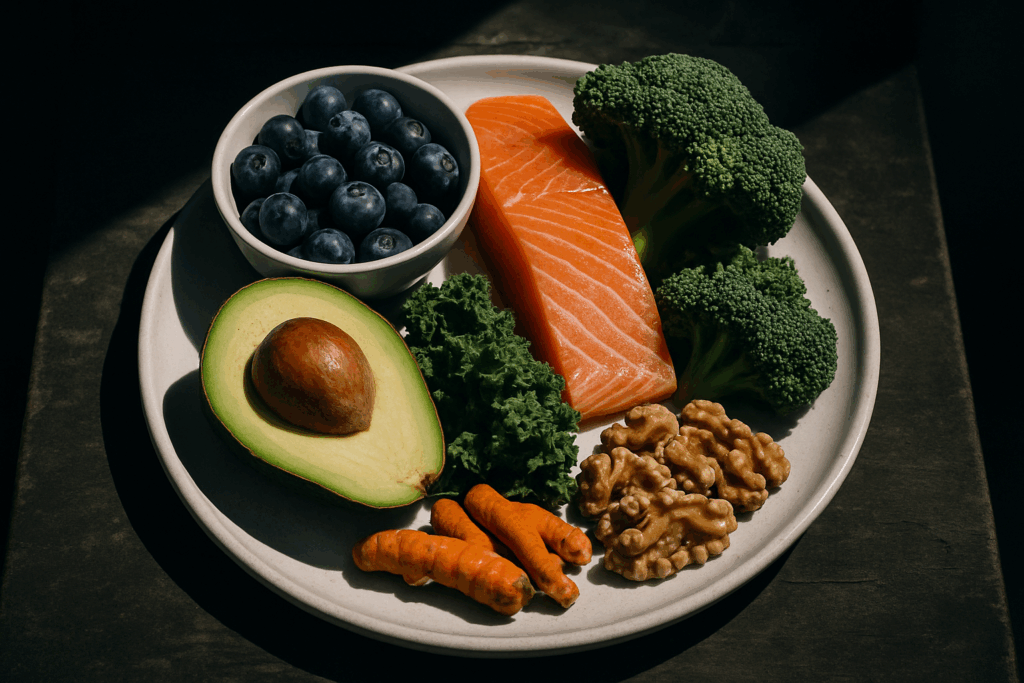
Fats often get left out post exercise, but you need them. The right kinds think avocado, almonds, olive oil, or omega 3 rich salmon support joint recovery and help keep hormones balanced. Fat won’t “cancel” your recovery. Skipping it might.
Explore deeper strategies in our full guide to nutrition for recovery.
Hydration Isn’t Optional
Sweating it out feels great until your muscles start cramping and your energy tanks. During a tough workout, you lose more than just water. Sodium, potassium, magnesium key electrolytes go with it. That loss impacts everything from muscle contractions to how well your cells absorb nutrients. In short, if you’re not hydrating right, you’re limiting your recovery.
Plain water helps, but after intense or long sessions, it’s not enough. You need to replace lost electrolytes, too. That means water + a balanced electrolyte source whether that’s a dedicated sports drink or something minimal like salt and citrus in your water bottle. The goal: prevent sluggishness, support nutrient transport, and keep muscle function sharp.
Don’t wait until you’re thirsty. Rehydrate early, and often.
Whey protein isolate: If muscle repair had a fast lane, this would be it. Whey isolate absorbs quickly, making it ideal right after a workout. It’s rich in leucine, the amino acid that kicks off protein synthesis. Unlike regular whey, isolate is almost lactose free and stripped down for maximum efficiency. You get more protein per scoop and less filler.
Creatine monohydrate: No fluff here it’s one of the most researched, most effective supplements out there. It helps replenish ATP, your muscles’ energy currency, so you can lift heavier, recover faster, and look fuller. Daily use, even on rest days, builds results over time. It’s not flashy, but it works consistently.
BCAAs: The science is mixed, but they have a place especially if you’re training fasted or cutting weight. They provide instant amino acids, particularly leucine, isoleucine, and valine, which may help reduce muscle breakdown. Don’t expect miracles, but they can plug the gap when full meals aren’t an option.
Magnesium & zinc: Recovery is about more than muscles. This duo helps dial down inflammation and improves sleep quality two things you don’t notice until you’re missing them. Zinc supports hormone production, while magnesium helps relax the nervous system so your body can shift into actual repair mode. Simple, cheap, effective.
The Bottom Line
Recovery isn’t passive it’s a calculated move. You don’t just sit around and hope for growth. You feed it. Dialing in your nutrient timing and quality is what separates productive training from wasted sweat. The 30 60 minute post workout window is your sweet spot. Miss it, and you leave gains on the table. Hit it with the right mix of protein, carbs, and hydration, and your body thanks you in strength, soreness reduction, and readiness for the next round.
Think of recovery as the second half of your workout. Show up with intention. Eat like it matters because it does.
For more in depth ideas and sample recovery meals, check out this full post on nutrition for recovery.
 Ask David Severtacion how they got into injury prevention routines and you'll probably get a longer answer than you expected. The short version: David started doing it, got genuinely hooked, and at some point realized they had accumulated enough hard-won knowledge that it would be a waste not to share it. So they started writing.
What makes David worth reading is that they skips the obvious stuff. Nobody needs another surface-level take on Injury Prevention Routines, Fitness Recovery Strategies, Vital Health Concepts and Techniques. What readers actually want is the nuance — the part that only becomes clear after you've made a few mistakes and figured out why. That's the territory David operates in. The writing is direct, occasionally blunt, and always built around what's actually true rather than what sounds good in an article. They has little patience for filler, which means they's pieces tend to be denser with real information than the average post on the same subject.
David doesn't write to impress anyone. They writes because they has things to say that they genuinely thinks people should hear. That motivation — basic as it sounds — produces something noticeably different from content written for clicks or word count. Readers pick up on it. The comments on David's work tend to reflect that.
Ask David Severtacion how they got into injury prevention routines and you'll probably get a longer answer than you expected. The short version: David started doing it, got genuinely hooked, and at some point realized they had accumulated enough hard-won knowledge that it would be a waste not to share it. So they started writing.
What makes David worth reading is that they skips the obvious stuff. Nobody needs another surface-level take on Injury Prevention Routines, Fitness Recovery Strategies, Vital Health Concepts and Techniques. What readers actually want is the nuance — the part that only becomes clear after you've made a few mistakes and figured out why. That's the territory David operates in. The writing is direct, occasionally blunt, and always built around what's actually true rather than what sounds good in an article. They has little patience for filler, which means they's pieces tend to be denser with real information than the average post on the same subject.
David doesn't write to impress anyone. They writes because they has things to say that they genuinely thinks people should hear. That motivation — basic as it sounds — produces something noticeably different from content written for clicks or word count. Readers pick up on it. The comments on David's work tend to reflect that.