
What Chronic Inflammation Actually Does
Chronic inflammation isn’t always dramatic but it is persistent. Unlike acute inflammation, which helps the body heal from injury or infection, low grade chronic inflammation can simmer quietly for years, damaging tissues and setting the stage for disease.
The Hidden Threat
Goes undetected for years: Many people live with chronic inflammation without obvious symptoms.
Leads to serious health issues: It’s linked to heart disease, type 2 diabetes, arthritis, and even certain cancers.
Often misattributed: Fatigue, joint stiffness, or low energy might be signs of inflammation, but are easily dismissed.
Why Prevention Requires a Long Term Mindset
Quick fixes don’t work against chronic inflammation. Reducing it means supporting your body over time through lasting habits and food is one of the most powerful tools available.
Not a one time cleanse or trend diet
Consistent, anti inflammatory nutrition delivers gradual results
The goal: To create an internal environment where inflammation can’t take hold
By adjusting your daily meals, prioritizing whole foods, and reducing pro inflammatory triggers, you influence how your body responds today and decades from now.
How Food Fights Inflammation
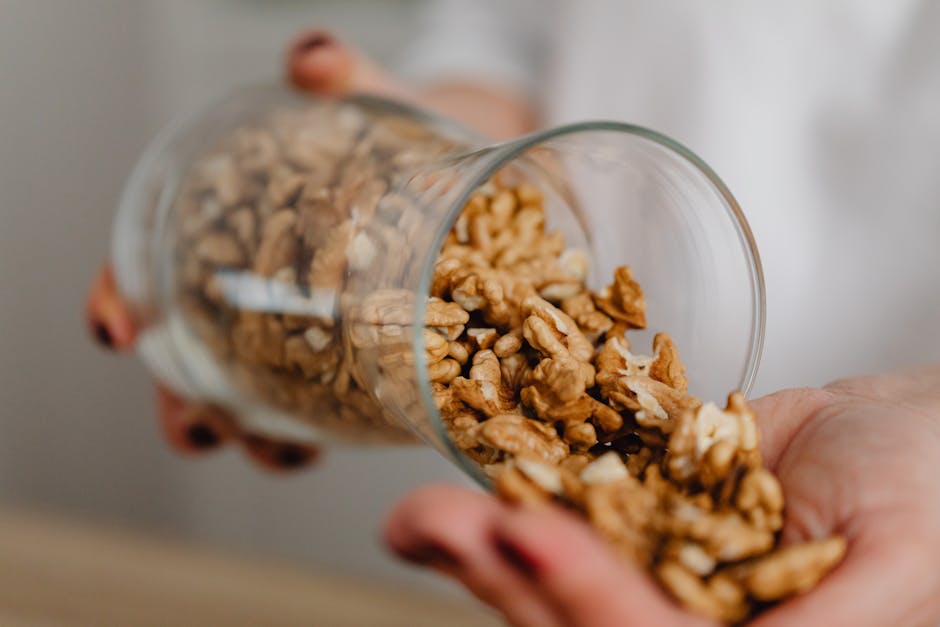
Inflammation doesn’t work in isolation; neither should your meals. Certain nutrients are proven to dial down inflammation at the cellular level. Omega 3 fatty acids, for example, have been shown to reduce C reactive protein (CRP), a reliable marker of chronic inflammation. You’ll find them in fatty fish, flaxseeds, walnuts, and chia foods that wear their health benefits on their sleeve without being flashy about it.
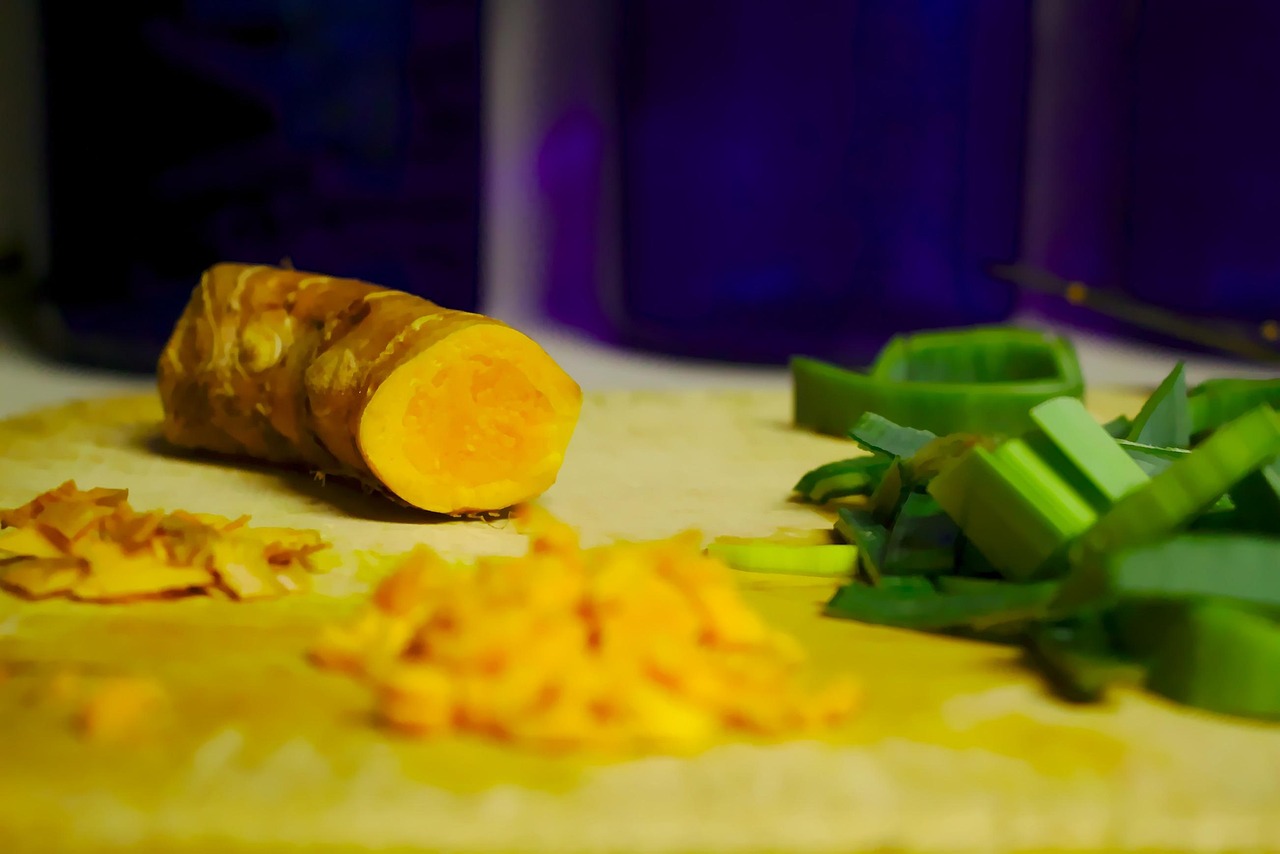
Then you’ve got phytonutrients, the natural compounds in deeply colored vegetables, fruits, and spices. They’re not there for flair they help neutralize oxidative stress, which is often the spark that ignites inflammation. Think turmeric, berries, leafy greens. Basic foods. Big impact.
Fiber plays a less glamorous but equally crucial role. Found in whole grains, legumes, and vegetables, it keeps your gut microbiome balanced which affects your immune system and how much inflammation your body pumps out in response to stress, sugar, and fat.
Here’s the line: whole foods calm the fire. Processed foods those loaded with refined sugar, low grade fats, and preservatives tend to fan the flames. Your body knows the difference. Eat like you respect that.
Top Anti Inflammatory Foods to Know
A diet rich in anti inflammatory foods can do more than ease occasional aches it can serve as a long term strategy to protect your health. Here’s a closer look at key ingredients that help lower inflammation from the inside out.
Leafy Greens: Antioxidant Powerhouses
Dark, leafy vegetables like kale, spinach, and Swiss chard are loaded with antioxidants such as vitamin C, beta carotene, and polyphenols.
Help combat oxidative stress
Support cellular repair
Offer vitamins and minerals essential for immune regulation
Berries and Cherries: Nature’s Flavonoid Boost
Berries (like blueberries, strawberries, and raspberries) and tart cherries are high in flavonoids and anthocyanins, compounds with strong anti inflammatory effects.
Help regulate immune cell activity
May reduce markers like C reactive protein (CRP)
Linked to improved heart and brain health
Fatty Fish: Omega 3 Rich Choices
Fatty fish such as salmon, mackerel, and sardines supply high levels of omega 3 fatty acids (EPA and DHA).
Reduce pro inflammatory cytokines
Support cardiovascular health
Encourage balanced inflammatory response
Healthy Fats: Olive Oil and Nuts
The monounsaturated fats found in extra virgin olive oil and a variety of nuts (walnuts, almonds) are strongly associated with reduced inflammation.
Contain polyphenols and vitamin E
Support healthy cholesterol levels
May lower risk for metabolic syndrome
Spices: Flavor With Function
Certain herbs and spices don’t just season your meals they actively support your body’s anti inflammatory processes.
Turmeric: Contains curcumin, a compound shown to block inflammatory pathways
Ginger: Known to reduce muscle soreness and swelling in studies
For more insights, explore this extended resource on anti inflammatory benefits.
Everyday Shifts That Add Up
You don’t need to scrap your pantry or buy a blender that costs more than your rent. Eating anti inflammatory meals is more about direction than perfection. The key is simple: consistent, smart choices that lean toward whole, unprocessed foods.
Start with the basics. Swap out refined sugars sodas, pastries, even some cereals for whole fruit. You’ll get fiber, vitamins, and natural sweetness without the inflammatory spike. Trade white rice and pasta for their whole grain versions like quinoa, brown rice, or farro. These hold onto nutrients and keep your blood sugar more stable.
Small changes like these don’t just improve your meals they stack up over time. Throw in some leafy greens at lunch, olive oil instead of butter, or grilled salmon when you’d usually go for fried. No overhaul required. This isn’t a 30 day detox. It’s about building a routine that works in real life, not just on a blog.
Remember: consistency beats extremes. A few wild “superfood” weeks don’t undo years of drive through dinners, and they don’t need to. Long term anti inflammatory eating is about showing up every day with small, helpful choices. That’s where the real traction is.
Long Term Benefits Backed by Research
The science is stacking up: an anti inflammatory diet does more than just ease occasional bloating or joint stiffness. Over the long term, it’s been linked with significantly lower risks of cardiovascular conditions like heart disease and strokes. These sorts of outcomes don’t come from superfoods or supplements they come from consistent, real food choices that tamp down inflammation before damage spreads.
Neurodegenerative diseases think Alzheimer’s and Parkinson’s also show a promising connection. Research suggests that chronic brain inflammation plays an early role in these conditions, and diets high in omega 3s, antioxidants, and phytonutrients may help keep those inflammatory triggers in check.
Gut health gets a boost too. A more balanced microbiome fed by fiber rich foods and lower in processed triggers means better immunity and improved digestion. Inflammation often starts with the gut, so protecting it pays dividends up and down the system.
And at the smallest level your cells an anti inflammatory diet helps slow oxidative stress and cellular aging. This could mean fewer age related diseases and more years with energy, clarity, and resilience.
Want the details and data behind these claims? Check out the anti inflammatory benefits deep dive.
Final Take: Eat to Support, Not Just to Prevent
Anti inflammatory eating isn’t about elimination it’s about investment. Nourishment over restriction. Too often, conversations about health turn into lists of foods we’re told to cut out. That mindset doesn’t stick. What does stick is focusing on what your body needs more of, not less.
Food is a long game. It shapes how you feel today, but more importantly, how you’ll function years from now. Integrating anti inflammatory choices olive oil over seed oils, fiber rich veggies over ultra processed snacks becomes less about being perfect and more about being consistent. Small actions repeated daily are what move the needle over time.
Think of your meals as preventive care. Just like brushing your teeth, each meal is a chance to defend your future. No drama, no panic. Just deliberate choices that add up. And the payoff? Sustained energy, fewer flare ups, and a body that stays ahead of the curve.
 Malric Orrendale has opinions about targeted pain-relief workouts. Informed ones, backed by real experience — but opinions nonetheless, and they doesn't try to disguise them as neutral observation. They thinks a lot of what gets written about Targeted Pain-Relief Workouts, Wellness Momentum, Fitness Recovery Strategies is either too cautious to be useful or too confident to be credible, and they's work tends to sit deliberately in the space between those two failure modes.
Reading Malric's pieces, you get the sense of someone who has thought about this stuff seriously and arrived at actual conclusions — not just collected a range of perspectives and declined to pick one. That can be uncomfortable when they lands on something you disagree with. It's also why the writing is worth engaging with. Malric isn't interested in telling people what they want to hear. They is interested in telling them what they actually thinks, with enough reasoning behind it that you can push back if you want to. That kind of intellectual honesty is rarer than it should be.
What Malric is best at is the moment when a familiar topic reveals something unexpected — when the conventional wisdom turns out to be slightly off, or when a small shift in framing changes everything. They finds those moments consistently, which is why they's work tends to generate real discussion rather than just passive agreement.
Malric Orrendale has opinions about targeted pain-relief workouts. Informed ones, backed by real experience — but opinions nonetheless, and they doesn't try to disguise them as neutral observation. They thinks a lot of what gets written about Targeted Pain-Relief Workouts, Wellness Momentum, Fitness Recovery Strategies is either too cautious to be useful or too confident to be credible, and they's work tends to sit deliberately in the space between those two failure modes.
Reading Malric's pieces, you get the sense of someone who has thought about this stuff seriously and arrived at actual conclusions — not just collected a range of perspectives and declined to pick one. That can be uncomfortable when they lands on something you disagree with. It's also why the writing is worth engaging with. Malric isn't interested in telling people what they want to hear. They is interested in telling them what they actually thinks, with enough reasoning behind it that you can push back if you want to. That kind of intellectual honesty is rarer than it should be.
What Malric is best at is the moment when a familiar topic reveals something unexpected — when the conventional wisdom turns out to be slightly off, or when a small shift in framing changes everything. They finds those moments consistently, which is why they's work tends to generate real discussion rather than just passive agreement.