Why Neck and Shoulder Pain Is So Common in 2026
It’s not just in your head or your neck. The spike in upper body pain has a direct line to how we live now: hunched over laptops, phones, steering wheels. Whether you’re working from home or doomscrolling between meetings, hours of screen time train your body into poor postural habits. The result: locked up shoulders, stiff necks, and that dull, familiar ache creeping down from the base of your skull.
Posture plays a starring role, but it’s not working alone. Chronic stress keeps muscles in a low grade state of tension, and bad sleep positions only make it worse. Even when we stretch, it’s often a quick fix that fades fast. Traditional stretches tend to address isolated muscles. But neck and shoulder tension is usually systemic woven through breath mechanics, alignment, and deep set movement patterns.
That’s why short term relief doesn’t cut it. Real change takes thoughtful, integrated movement. You can’t always outstretch bad posture, but you can rewire your body’s habits. This is where targeted yoga sequences can shift the game.
Foundational Principles Before You Hit the Mat
Before diving into poses, it’s smart to get the basics locked in. Breath and alignment aren’t extras they’re the core of a solid, pain reducing yoga practice. Controlled breathing keeps your nervous system calm and your muscles receptive. Inhale through the nose, steady and deep. Exhale with awareness. Let your breath set the pace for movement, not the other way around.
Posture matters. That means stacking joints not just for balance, but to take pressure off the wrong muscles. Feel your shoulder blades draw slightly together and down. Keep your chin level, not jutting forward. Engage your core instead of collapsing into your lower back. These small adjustments are the difference between healing pain and aggravating it.
Props are not a sign of weakness. They’re tools to customize support so your body stays in the safe zone. Blocks under the hands bring the ground closer. A bolster beneath your spine might open your chest without strain. Straps bridge tight shoulders until your flexibility improves. Use what you need, and let the props do part of the work so you’re not forcing anything. That’s where real progress starts.
Morning Sequence: Gentle Wake Up Flow
Start your day by smoothing out the stiffness. This simple morning sequence tackles upper body tension without requiring a yoga mat or much space just a chair, a wall, and about ten minutes.
Seated Cat Cow for Spinal Fluidity
Sit tall on the edge of a chair with your feet flat on the floor. On an inhale, arch your back slightly, lift your chest, and draw your shoulders back your version of a seated cow. Exhale as you round the spine, chin to chest, pulling your tummy in gently for cat. Take it slow. Aim for five to eight rounds, moving with your breath. This primes your spine and resets nervous system chatter.
Chin to Shoulder Neck Rolls for Mobility
Stay seated upright. Gently drop your chin toward your chest, then slowly roll your head toward one shoulder. Hold there for a couple of breaths. Roll the chin across to the other side. Avoid leaning the head back this keeps the move safe. These rolls release the traps and levator muscles that knot up during screen time.
Half Downward Dog at the Wall for Gentle Traction
Stand facing a wall, arms extended straight out at shoulder height. Walk your feet back and hinge at the hips so your torso folds forward almost like an “L” shape. Press palms firmly into the wall and breathe deeply for 30 seconds. This version of down dog decompresses the spine and opens up the armpits and chest without straining the neck.
Shoulder Blade Squeezes to Engage Postural Muscles
Still at the wall or seated, bend elbows at 90 degrees and squeeze your shoulder blades together. Think of it like trying to pinch a pencil between them. Hold for three seconds, then release. Do 10 reps. It’s a strength meets mobility move that wakes up your postural muscles, especially the often neglected rhomboids.
Taken together, these moves grease the joints and prep your upper body for whatever the day throws at it or drapes over it from a desk chair.
Midday Reset: 10 Minute Desk Friendly Stretch

This sequence is built for when you’re locked into a screen for too long and your shoulders start curling in like a walnut. You won’t need a yoga mat just your office chair, a nearby wall, and ten minutes of commitment.
Start with seated eagle arms: stretch one arm across your chest, then weave your other under it and wrap the forearms. If full wrapping’s not happening, just press the backs of the hands together. Lift the elbows a little and breathe into the upper back. It’s awkward at first but it hits the tension where you need it. Pair this with wrist rolls hands out in front, gently circling through full range clockwise, counterclockwise. Those wrists have been typing all day; give them some circulation.
Next, keep your feet grounded and fold forward over your thighs, letting your head hang. Chair supported forward folds let your spine decompress without strain. Drop your arms toward the floor or rest them on your legs. Gravity’s doing the work here.
Now, stand up and face a wall or open doorway. Reach both arms up onto the surface, step back slightly, and hinge at the hips. This thoracic spine opener stretches across the upper back and ribs without cranking the neck. Stay here 3 5 breaths.
Breathe low and wide, through your nose. Inhales should fill the ribcage more than the chest, and exhales help release tension out of the shoulders and jaw. Match each movement to your breath, so nothing feels rushed. These aren’t just stretches they’re reset buttons.
Evening Release: Deep Tension Relief Sequence
The evening is a powerful time to calm the nervous system and relieve lingering tension from the day. This sequence focuses on supported, longer held poses aimed at releasing the neck, shoulders, and upper spine. The emphasis here is ease, breath, and using props to support the body in fully letting go.
Thread the Needle: Side Body & Upper Back Release
A gentle twist that targets the side body, shoulders, and thoracic spine.
Begin on all fours, with wrists under shoulders and knees under hips
Slide one arm under the opposite armpit, palm facing up, and lower your shoulder and head to the mat
The opposite arm can reach forward or wrap behind your back
Hold for 6 8 deep breaths, then switch sides
Tip: Place a folded blanket under the shoulder or head if they don’t reach the mat comfortably.
Supported Fish Pose: Chest & Heart Opener
Opens the front of the chest and stretches the neck and shoulders without strain.
Place a block or bolster horizontally beneath the shoulder blades, with a second support under the head if needed
Extend legs comfortably forward or keep knees bent with feet grounded
Allow shoulders to relax and chest to gently open
Breathe deeply for 1 3 minutes
Modification: Use a rolled blanket for gentler support under the spine.
Neck Supported Reclined Twists
Encourages spinal decompression and gentle neck release.
Lie on your back, knees bent and feet flat
Drop knees to one side while keeping shoulders grounded
Place a small cushion or folded towel under the neck to minimize strain
Turn your head in the opposite direction (or keep it neutral)
Spend 1 2 minutes on each side
Focus: Let gravity do the work. Breathe into areas of tension instead of forcing movement.
Restorative Child’s Pose: Gentle Full Body Reset
A forward folding pose that gently stretches the back and shoulders.
Kneel on a mat with big toes together and knees wide
Extend your arms forward and rest your forehead on the mat or a block
Optional: place a bolster under your torso for deeper support
Let the shoulders melt toward the floor and stay here for 2 4 minutes
Reminder: Stay mindful of your breath. Inhale into the upper back and exhale through the mouth to release deeply.
These poses, practiced consistently, can help melt away accumulated stress and enhance your body’s ability to heal and rest overnight.
Best Practices for Pain Free Progress
Relief from neck and shoulder pain doesn’t come from grinding it out once a week. It comes from steady, low impact effort over time. Daily consistency beats long, sporadic sessions every time. Short routines think 10 to 20 minutes practiced regularly are more effective at retraining your posture, calming overactive muscles, and building supportive strength than an occasional deep stretch marathon.
Start simple, and track how your body feels day to day. Notice what flares symptoms and what gives you relief. Journaling helps just a few lines on how you slept, how your body responded to a pose, or any tight spots. Data isn’t about being perfect; it’s about spotting patterns before they become problems.
Also, don’t underestimate the basics: stay hydrated, get enough rest, and balance yoga with gentle cross training. Activities like swimming, walking, or these low impact workouts can strengthen the rest of your body while giving your neck and shoulders a break. These habits set the stage for long term progress not just quick fixes.
When to See a Pro
Yoga is powerful, but it’s not a cure all especially when you’re working with chronic or sharp pain in the neck and shoulders. Certain red flags are your body’s way of waving the white flag. If you experience numbness, tingling, radiating pain down the arms, or loss of strength or coordination, stop. These signs point to deeper issues like nerve compression, herniated discs, or structural misalignment, and no amount of cat cow is going to fix that.
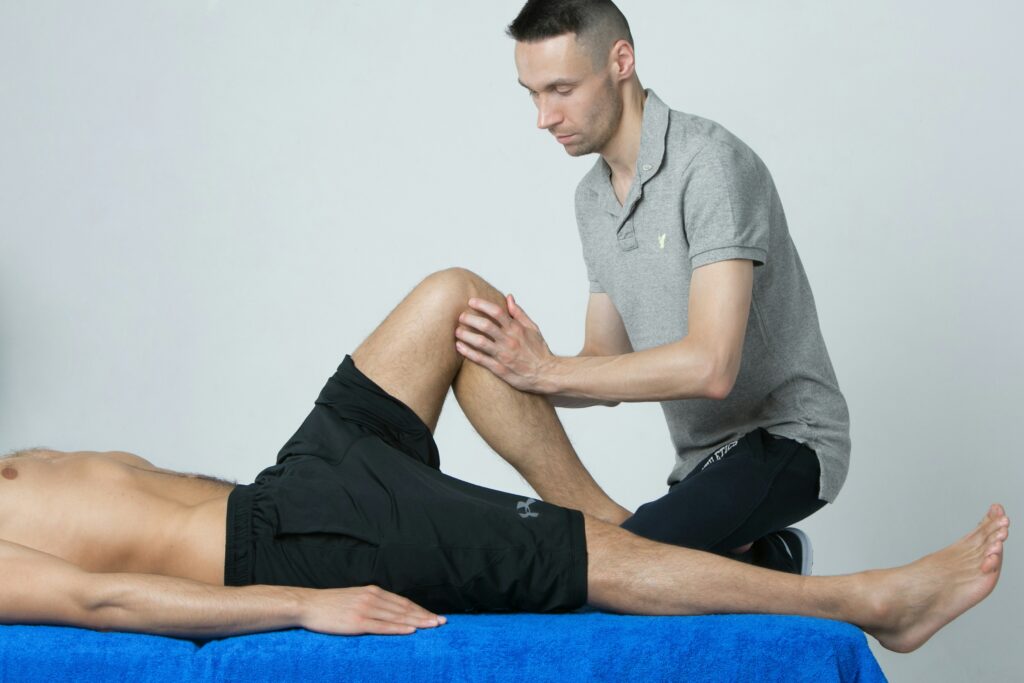
This is where physical therapy and chiropractic care come in. These specialists deal with dysfunction at the root. Physical therapists can assess your movement patterns and give you targeted corrective exercises. Chiropractors can address joint and spinal alignment. Used alongside yoga, these modalities can fast track your recovery and prevent further injury.
If you’re serious about long term relief, consider integrating a personalized plan created by a pro. Many physical therapists offer assessments and can design routines that mesh well with your home practice. Bring their suggestions onto the mat with you. Yoga supports healing best when it’s not working alone. Think of your body like a system it makes sense to use a systematic approach when it’s signaling that something’s wrong.
Build a Long Term Home Practice
If you’re new to yoga or just coming back after a long hiatus start simple. Platforms like Yoga with Adriene (YouTube), DoYogaWithMe, and the Down Dog app are solid picks. They offer beginner programs that build gradually, with clear instruction and customization for various levels of flexibility and strength. No fluff, just guidance that meets you where you’re at.
Once you’ve picked your platform, the next move is carving out a space that signals “this is for me.” It doesn’t need to be fancy. A quiet corner with a mat that stays rolled out can do wonders for habit building. What matters more is routine: aim for the same time each day, even if it’s just ten minutes. When yoga becomes as predictable as brushing your teeth, it sticks.
It’s also worth repeating: there’s no medal for muscling through pain. Smarter movement beats harder movement every time. Pay attention to alignment cues, use blocks and bolsters without shame, and stop when something feels off. Progress isn’t about powering through it’s about staying in the game without burning out.
 Mildreda Floresantoz writes the kind of wellness momentum content that people actually send to each other. Not because it's flashy or controversial, but because it's the sort of thing where you read it and immediately think of three people who need to see it. Mildreda has a talent for identifying the questions that a lot of people have but haven't quite figured out how to articulate yet — and then answering them properly.
They covers a lot of ground: Wellness Momentum, Fitness Recovery Strategies, Injury Prevention Routines, and plenty of adjacent territory that doesn't always get treated with the same seriousness. The consistency across all of it is a certain kind of respect for the reader. Mildreda doesn't assume people are stupid, and they doesn't assume they know everything either. They writes for someone who is genuinely trying to figure something out — because that's usually who's actually reading. That assumption shapes everything from how they structures an explanation to how much background they includes before getting to the point.
Beyond the practical stuff, there's something in Mildreda's writing that reflects a real investment in the subject — not performed enthusiasm, but the kind of sustained interest that produces insight over time. They has been paying attention to wellness momentum long enough that they notices things a more casual observer would miss. That depth shows up in the work in ways that are hard to fake.
Mildreda Floresantoz writes the kind of wellness momentum content that people actually send to each other. Not because it's flashy or controversial, but because it's the sort of thing where you read it and immediately think of three people who need to see it. Mildreda has a talent for identifying the questions that a lot of people have but haven't quite figured out how to articulate yet — and then answering them properly.
They covers a lot of ground: Wellness Momentum, Fitness Recovery Strategies, Injury Prevention Routines, and plenty of adjacent territory that doesn't always get treated with the same seriousness. The consistency across all of it is a certain kind of respect for the reader. Mildreda doesn't assume people are stupid, and they doesn't assume they know everything either. They writes for someone who is genuinely trying to figure something out — because that's usually who's actually reading. That assumption shapes everything from how they structures an explanation to how much background they includes before getting to the point.
Beyond the practical stuff, there's something in Mildreda's writing that reflects a real investment in the subject — not performed enthusiasm, but the kind of sustained interest that produces insight over time. They has been paying attention to wellness momentum long enough that they notices things a more casual observer would miss. That depth shows up in the work in ways that are hard to fake.