
You don’t need to overhaul your entire life to eat smarter. Start with the basics — solid, science-backed nutrition habits that fit into real life. Whether you’re managing macros, choosing the right supplements, or timing meals before and after workouts, reliable guidance is key. If you’re looking for a practical, no-frills playbook for better eating, check out this guide to body nutrition tips twspoonfitness. In this article, we’ll break down the most useful nutritional principles that apply whether you’re lifting heavy, running long, or simply aiming to feel and function better.
Fueling Your Body Isn’t Complicated — But It Needs to Be Intentional
The biggest myth about nutrition? That it’s complicated. The truth is, most people don’t need extreme meal plans or exotic superfoods. They need consistency, clarity, and enough protein, fiber, and good fats to cover the basics. The foundation of effective nutrition lies in sustainable habits—ones rooted in real food and repeatable routines, not trends.
Start by focusing on balance:
- Protein: Helps repair and build muscles, especially after training.
- Carbs: The body’s favorite energy source, especially for high-intensity workouts.
- Fats: Critical for hormone regulation, brain function, and long-term energy.
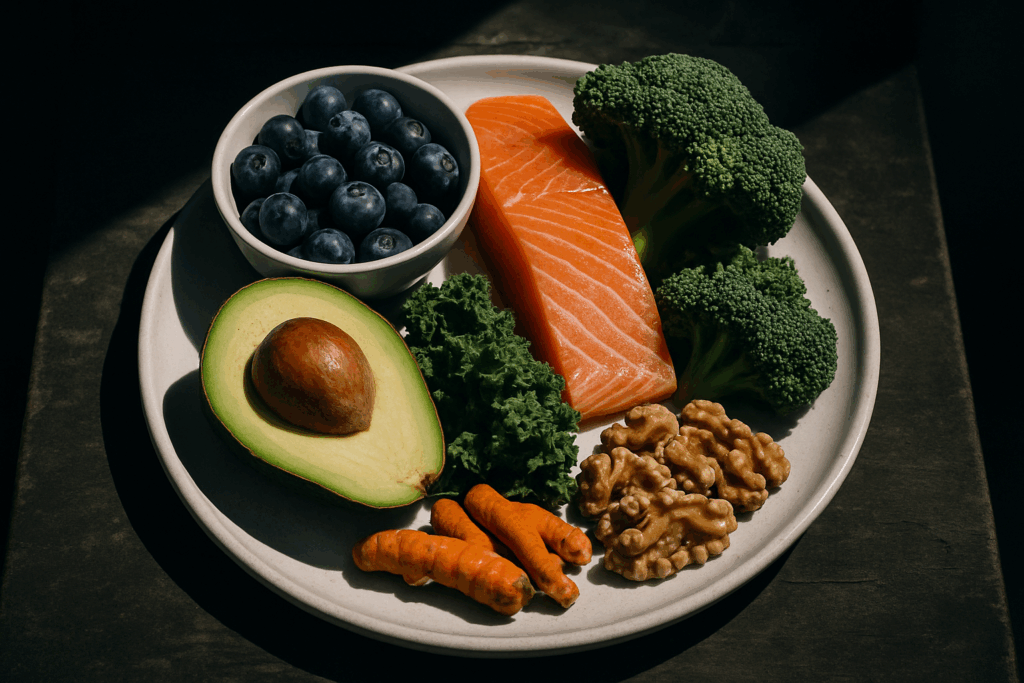
Keep each meal centered around at least 20–30g of protein, some quality carbs (like oats, quinoa, sweet potato), and a moderate amount of healthy fats (think avocado, olive oil, nuts). If meals are inconsistent, even the perfect workout won’t deliver top-tier results.
Timing Makes a Difference — But It’s Not Everything
Nutrient timing is often overhyped, but when used smartly, it can help you train harder, recover faster, and stay leaner. You don’t have to obsess, just learn the basics.
Here’s a simple rule: Fuel up within 60–90 minutes before training with a combination of carbs and protein. A piece of fruit with peanut butter, or Greek yogurt with granola, work well. After your session, aim to eat within an hour — preferably something protein-rich with some carbs to replenish glycogen.
That window isn’t magic, but it helps optimize recovery. Just don’t fall into the trap of skipping meals thinking it’ll make you leaner. Undereating kills energy and progress.
Hydration Isn’t Optional — But We Treat It Like It Is
Let’s not pretend water is revolutionary, but it’s wildly underrated. Staying hydrated influences digestion, joint mobility, skin health, focus, and yes — performance.
Aim for at least 2.5 to 3 liters of water daily — more if you’re training hard or in hot climates. Coffee, tea, and soups count too, but plain old water should lead the charge.
Bonus tip: Start your day with a full glass as soon as you wake up. You lose a surprising amount of water overnight, and replenishing immediately helps fire up metabolism and alertness.
Supplements: Tools, Not Shortcuts
Supplements can plug in nutritional gaps, but they don’t fix poor eating habits. Start with food, always. If your basics are covered, then consider the essentials:
- Whey or plant-based protein if you struggle to hit daily protein goals
- Creatine monohydrate for strength and power training
- Omega-3s from fish oil if your diet lacks fatty fish
- Vitamin D3 if you get limited sun exposure
Avoid overloading your stack just because of hype. More supplements don’t equal faster progress. Stick to research-backed essentials and monitor how your body responds.
Listen to Your Biofeedback, Not Just a Meal Plan
No plan will outperform what your body’s telling you. Energy crashes, bloating, cravings, poor sleep — these are all signs of imbalance. Learning to adjust based on how you feel is core to long-term success.
Tracking food intake helps, not just for calories, but to connect the dots between food and how you perform. If chicken and broccoli leave you bloated, it’s not a badge of honor — it’s feedback.
Instead of forcing rigid meals, use flexible frameworks. Have 3-4 rotation-friendly meals you can build quickly. Make grocery shopping easier by sticking to 10–15 base ingredients. Think function first, not perfection.
Recovery Depends on Nutrition as Much as Training
If you’re breaking down muscles but not giving them the nutrients to grow, you’re stuck in a cycle of frustration. Post-workout nutrition isn’t all about shakes — though those help for convenience.
Look for meals with complete protein sources (eggs, lean meats, legumes), anti-inflammatory foods (berries, leafy greens, turmeric), and slow-digesting carbs. Sleep is when your body rebuilds, but you only rest well if your body has the resources to recover.
And remember, your off-days don’t mean off-nutrition. Recovery days still require strong nutrition habits to prep your body for the next challenge.
Real Progress Comes From Mastering Nutrition Fundamentals
Forget the flashy plans and fasted fads. Creating lasting change comes down to integrating simple nutrition principles, consistently. The reality: most people just need better planning and fewer distractions.
Start with prepping 3–4 key meals that meet your goals. Keep whole foods in your environment and make hydration automatic. Don’t panic when perfection slips — track trends, not daily slip-ups.
Lean on resources like the body nutrition tips twspoonfitness guide to stay focused on what actually works in the long run.
Final Thoughts: Nutrition Is a Skill — Build It Like One
You build nutritional success the same way you build strength or endurance: with reps, feedback, and small adjustments. The more skill you build, the more freedom and flexibility you earn.
You don’t need perfect discipline — you need a plan that’s effective even when life gets chaotic. And that starts with sticking to high-impact choices most of the time.
If there’s one takeaway from all these body nutrition tips twspoonfitness offers, it’s this: Eat in a way that supports the life and body you want, not the one you’re trying to escape.
 Malric Orrendale has opinions about targeted pain-relief workouts. Informed ones, backed by real experience — but opinions nonetheless, and they doesn't try to disguise them as neutral observation. They thinks a lot of what gets written about Targeted Pain-Relief Workouts, Wellness Momentum, Fitness Recovery Strategies is either too cautious to be useful or too confident to be credible, and they's work tends to sit deliberately in the space between those two failure modes.
Reading Malric's pieces, you get the sense of someone who has thought about this stuff seriously and arrived at actual conclusions — not just collected a range of perspectives and declined to pick one. That can be uncomfortable when they lands on something you disagree with. It's also why the writing is worth engaging with. Malric isn't interested in telling people what they want to hear. They is interested in telling them what they actually thinks, with enough reasoning behind it that you can push back if you want to. That kind of intellectual honesty is rarer than it should be.
What Malric is best at is the moment when a familiar topic reveals something unexpected — when the conventional wisdom turns out to be slightly off, or when a small shift in framing changes everything. They finds those moments consistently, which is why they's work tends to generate real discussion rather than just passive agreement.
Malric Orrendale has opinions about targeted pain-relief workouts. Informed ones, backed by real experience — but opinions nonetheless, and they doesn't try to disguise them as neutral observation. They thinks a lot of what gets written about Targeted Pain-Relief Workouts, Wellness Momentum, Fitness Recovery Strategies is either too cautious to be useful or too confident to be credible, and they's work tends to sit deliberately in the space between those two failure modes.
Reading Malric's pieces, you get the sense of someone who has thought about this stuff seriously and arrived at actual conclusions — not just collected a range of perspectives and declined to pick one. That can be uncomfortable when they lands on something you disagree with. It's also why the writing is worth engaging with. Malric isn't interested in telling people what they want to hear. They is interested in telling them what they actually thinks, with enough reasoning behind it that you can push back if you want to. That kind of intellectual honesty is rarer than it should be.
What Malric is best at is the moment when a familiar topic reveals something unexpected — when the conventional wisdom turns out to be slightly off, or when a small shift in framing changes everything. They finds those moments consistently, which is why they's work tends to generate real discussion rather than just passive agreement.