
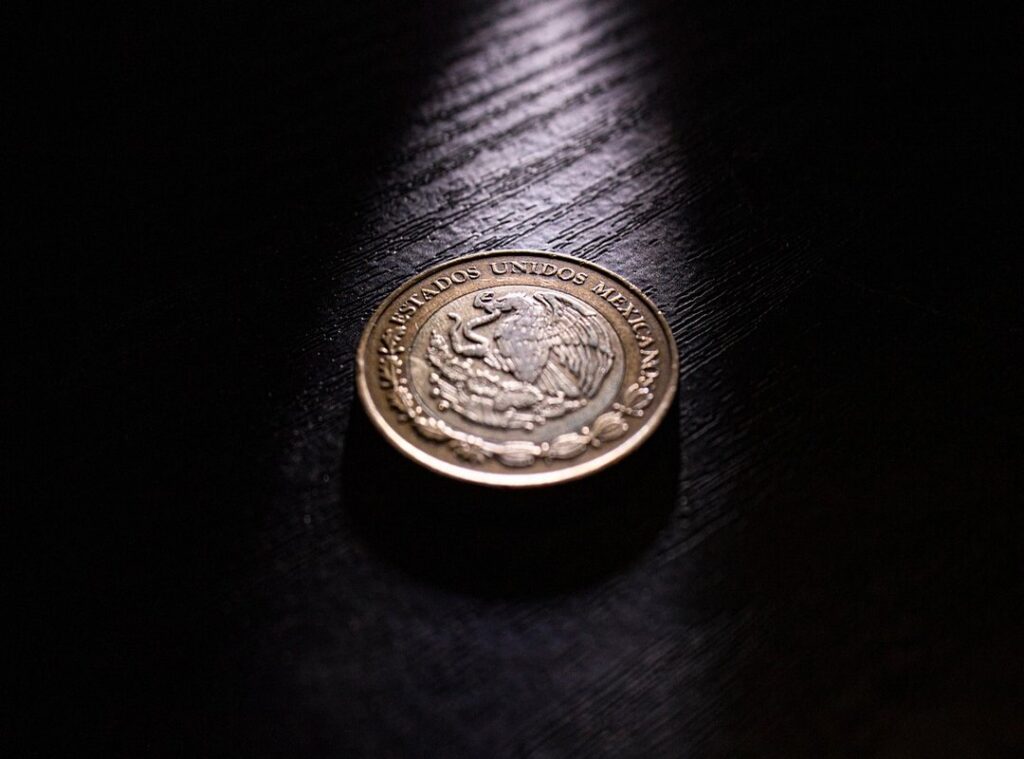
As of today, 600 Mexican Pesos (MXN) is worth approximately [current conversion amount] Chilean Pesos (CLP). But here’s the thing: that “official” rate isn’t what you’ll likely get in your pocket. This guide will show you why.
I’m here to give you the current conversion and more. I’ll explain how to get the best possible rate, avoid hidden fees, and understand what that money is actually worth in Chile.
The exchange rate changes daily. It’s affected by a lot of factors like economic news, interest rates, and even political events. So, it’s crucial to have up-to-date information.
In this guide, I’ll break down your best options for exchanging currency. Whether you’re traveling, shopping online, or sending money abroad, I’ve got you covered. Let’s dive in.
Why the MXN to CLP Exchange Rate Changes Every Day
The mid-market rate is the real exchange rate that banks use to trade currencies with each other. It’s the number you see on Google or XE.com. But here’s the catch: the rate you get as a consumer will always be a bit different.
Banks and currency exchange services add a spread, which is their profit margin and service fees.
Inflation rates in Mexico and Chile play a big role. Higher inflation in one country can devalue its currency. Central bank interest rate policies also matter.
If one country raises its interest rates, it can make its currency more attractive. And let’s not forget about major exports. Oil for Mexico and copper for Chile.
When these commodity prices change, so does the demand for the respective currencies.
Think of it like the price of avocados. If there’s a shortage, the price goes up. If there’s a surplus, the price drops.
The same goes for currencies. Supply and demand drive the value.
Now, why does this matter? Because these constant changes mean the 600 pesos mexicanos a chilenos you see today might not be the same tomorrow. It’s crucial to check the live rate right before you make a transaction.
Don’t assume the rate will stay the same. It won’t.
How to Get the Best Rate: A Comparison of Exchange Methods
When it comes to exchanging currency, you’ve got a few options. Each has its own set of pros and cons.
Banks and credit unions are secure and familiar. But let’s be real, they often have poor exchange rates and high fixed fees. It’s like paying for convenience with your hard-earned cash.
Airport currency exchange kiosks? They’re extremely convenient. You can get your hands on foreign cash right before your flight.
However, they consistently offer the worst exchange rates and highest fees. If you can, avoid them.
Online money transfer services, like Wise or Remitly, are a different story. They typically offer rates closest to the mid-market rate with transparent, low fees. The catch? Pavatalgia
You need to set up an account, and the transfer isn’t always instant. Still, it’s a solid choice for many.
Using a debit or credit card abroad is super convenient for purchases. Just swipe and go. But watch out for foreign transaction fees and dynamic currency conversion (DCC) scams at payment terminals.
Those can add up fast.
So, what’s the best method? For sending money to family, an online service is best. For small purchases on vacation, a no-foreign-fee credit card is ideal.
Now, let’s talk about the future. I think we’ll see more transparency in fees and better rates across the board. Banks and credit unions will likely to stay competitive, so they might improve their offerings.
Online services will likely to streamline their processes even more, making them faster and more user-friendly.
If you’re planning a trip and need to convert 600 pesos mexicanos a chilenos, do your research. Find the best method that fits your needs. And remember, staying informed is key.
What Can 600 Mexican Pesos Actually Buy You in Chile?
When you convert 600 pesos mexicanos a chilenos, it’s important to understand what that amount can actually get you in a major city like Santiago.
Let’s break it down with some real-world examples.
First up, food and drink. This amount could cover a ‘menú del día’ (a set lunch menu) at a casual restaurant. Or, if you prefer, a couple of coffees and pastries at a nice café.
Moving on to transportation. You could pay for a one-way trip on the Santiago Metro and still have enough left for a snack. Alternatively, it could cover a short taxi or Uber ride within the city center.
Entertainment and souvenirs are also within reach. It’s enough to buy a ticket to a local museum like La Chascona. Or, if you’re into shopping, you could pick up a small, locally made souvenir.
Keep in mind, prices can vary significantly between tourist areas and local neighborhoods. So, it’s always a good idea to explore different parts of the city to find the best deals.
Making Your Mexican Pesos Go Further in Chile
The key takeaway is that the number you see online is just a baseline, and your exchange method ultimately determines the final amount you receive. For the best value, planning ahead and using a low-fee online transfer service or a travel-friendly card is superior to exchanging cash at the airport.
Checking the live mid-market rate right before a transaction is the smartest final step.
Before your next trip or transfer, compare at least two options to ensure you’re maximizing the value of your 600 pesos mexicanos a chilenos.
 Ask David Severtacion how they got into injury prevention routines and you'll probably get a longer answer than you expected. The short version: David started doing it, got genuinely hooked, and at some point realized they had accumulated enough hard-won knowledge that it would be a waste not to share it. So they started writing.
What makes David worth reading is that they skips the obvious stuff. Nobody needs another surface-level take on Injury Prevention Routines, Fitness Recovery Strategies, Vital Health Concepts and Techniques. What readers actually want is the nuance — the part that only becomes clear after you've made a few mistakes and figured out why. That's the territory David operates in. The writing is direct, occasionally blunt, and always built around what's actually true rather than what sounds good in an article. They has little patience for filler, which means they's pieces tend to be denser with real information than the average post on the same subject.
David doesn't write to impress anyone. They writes because they has things to say that they genuinely thinks people should hear. That motivation — basic as it sounds — produces something noticeably different from content written for clicks or word count. Readers pick up on it. The comments on David's work tend to reflect that.
Ask David Severtacion how they got into injury prevention routines and you'll probably get a longer answer than you expected. The short version: David started doing it, got genuinely hooked, and at some point realized they had accumulated enough hard-won knowledge that it would be a waste not to share it. So they started writing.
What makes David worth reading is that they skips the obvious stuff. Nobody needs another surface-level take on Injury Prevention Routines, Fitness Recovery Strategies, Vital Health Concepts and Techniques. What readers actually want is the nuance — the part that only becomes clear after you've made a few mistakes and figured out why. That's the territory David operates in. The writing is direct, occasionally blunt, and always built around what's actually true rather than what sounds good in an article. They has little patience for filler, which means they's pieces tend to be denser with real information than the average post on the same subject.
David doesn't write to impress anyone. They writes because they has things to say that they genuinely thinks people should hear. That motivation — basic as it sounds — produces something noticeably different from content written for clicks or word count. Readers pick up on it. The comments on David's work tend to reflect that.